Get Full Government Meeting Transcripts, Videos, & Alerts Forever!
Get email alerts on the Sewer System Improvement Program topic
No spam. Unsubscribe anytime.
PUC adopts 10-year wastewater capital plan, staff outlines $6.9B$8.4B program and rate trade-offs
Summary
The San Francisco Public Utilities Commission adopted a 10-year capital plan for the Sewer System Improvement Program that locks in planning and early work and presents program options ranging from a $6 billion scaled plan to an $8.4 billion full program (including financing). Staff warned larger scopes could require multi-year double-digit sewer-rate increases.
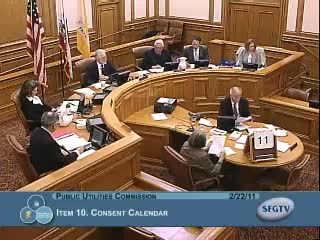
The San Francisco Public Utilities Commission on Feb. 22 adopted a 10-year capital plan for the Sewer System Improvement Program (SSIP), authorizing the first two years of planning and initial project funding while directing staff to continue value engineering and procure a program manager.
Staff presented a range of options for addressing aging wastewater infrastructure, seismic vulnerability and emerging climate threats. Karen Kubik, SSIP lead, told commissioners the full program of identified needs totals about $6.9 billion in construction costs and rises to roughly $8.4 billion once financing and escalation are added. The 10-year proposal before the commission covers about $4.1 billion of that work (about $5.1 billion with financing) and focuses on early priorities such as the Southeast Plant digester, biosolids handling and critical force-main replacements.
"We're living on effectively borrowed time," Kubik said, describing failing digester roofs, corroded mechanical systems and pipes running through bay mud that lack redundancy. She emphasized targets to make facilities operable within 72 hours after a major earthquake and to increase redundancy on force mains that convey a majority of dry-weather flows.
Finance staff presented modeled rate impacts for the program options and an affordability analysis using established metrics. Todd Reitstrom said the average monthly water bill is about $32 and the average monthly sewer bill about $51 today; under the largest program modeled, rate changes could include a band of 12% to 18% increases in several outer years to fund construction and debt service. By contrast, a constrained approach capped at roughly a 9% annual sewer-rate increase would reduce near-term scope by about $250 million and defer some projects.
Commissioners and staff pointed to lessons from the prior water program about conflicts of interest and contractor turnover; Harlan Kelly, Assistant General Manager for Infrastructure, said the RFP for a 15-year program-manager contract (proposed at up to $450 million over time for large programs) was being drafted to limit conflicts and protect the city's interests.
Public commenters urged faster action on the Southeast plant. Espanola Jackson, a longtime Bayview Hunters Point resident, said the neighborhood has waited decades for upgrades and asked the commission to move quickly.
The commission approved the 10-year capital plan by motion; staff noted that the plan will be revisited annually and refined once a program manager is on board and project-level validations are completed. Staff said the program-manager procurement was scheduled for public release in late February/early March with a target to have services begin in the fall of 2011.
Votes at a glance: The commission adopted the 10-year wastewater capital plan (motion carried by voice vote). The record shows the 10-year plan adoption followed the SSIP presentation and public comment and that the commission intends to return frequently for budget updates and project-level approvals.
What comes next: Staff will issue the RFP for a program manager, continue project-level validation and return to the commission with refined schedules, financing plans and any changes to the two-year locked funding amounts.