Get Full Government Meeting Transcripts, Videos, & Alerts Forever!
Get email alerts on the Wastewater Infrastructure topic
No spam. Unsubscribe anytime.
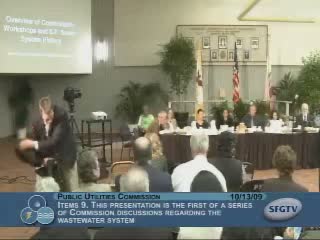
SFPUC holds wastewater master‑plan workshop; staff outlines system limits, aging digesters and outreach plans
Summary
At a Southeast community workshop, SFPUC staff reviewed San Francisco’s combined sewer system, treatment‑plant capacities, aging digesters and the Digester Task Force. Staff emphasized system redundancy limits, 99‑10 workforce programs and a series of upcoming workshops on priorities, levels of service and contracting.
Tommy Moala, assistant general manager for wastewater at the San Francisco Public Utilities Commission, opened a special 4:30 p.m. workshop with an overview of the agency’s sewer system master‑plan process and a multi‑meeting schedule that will bring staff, commissioners and community members into detailed discussions of priorities and project options.
The presentation outlined the system’s history, structure and immediate challenges: more than 900 miles of sewer mains, nearly 200 million gallons of underground transport storage, and treatment plants built in stages from the early 20th century through the post‑1972 Clean Water Act expansions. Staff emphasized that San Francisco operates a combined sewer system — a single pipe that conveys both sanitary flow and storm runoff to treatment plants — which limits options for separating flows and raises trade‑offs between overflow frequency and cost.
George Engle, a senior operator at the Southeast plant, described the technical operations: bar racks and primary clarifiers for solids removal, aeration basins for biological treatment, and centrifuge dewatering for biosolids. He said Southeast’s digesters are roughly 57 years old and will require replacement or major rehabilitation; the agency has convened a Southeast Digester Task Force, chaired by Sam Murray, to advise on siting and technology choices.
Staff also addressed digester byproducts and energy opportunities. Anaerobic digestion produces biogas (roughly two‑thirds methane), which fuels boilers and a cogeneration unit that can produce about 2 megawatts when operating. Staff said flaring of excess gas is permitted and regulated by regional air quality authorities but noted reliability problems can force flaring when cogen units are down; SFPUC staff pledged to return with details on emissions and greenhouse‑gas accounting at a later workshop.
Commissioners and community members pressed staff about operational redundancy — including the lack of east‑west interconnections and single force mains that create vulnerabilities — and about recent storm performance. On the day of the meeting staff reported treatment plants were at capacity but that the combined system had performed successfully overall; localized street flooding was attributed mainly to clogged catch basins and high tides in some locations.
Workforce and community benefits were a recurring theme. Staff highlighted existing programs used to recruit and train local workers, including the 99‑10 pre‑apprenticeship pipeline and partnerships with CityBuild, and invited commissioners and residents to upcoming workshops where levels of service and contracting roles (consultants, DPW, PUC) will be discussed. Community speakers asked the commission to set local‑hiring goals and to earmark workforce‑development funds tied to the large capital program staff has identified.
Next steps and where to watch: the workshop series will continue at future commission meetings. Staff proposed separate sessions on levels of service, project prioritization and contracting roles before returning with recommendations for capital planning, phasing and community benefits commitments.