Get Full Government Meeting Transcripts, Videos, & Alerts Forever!
Get email alerts on the Infrastructure Water topic
No spam. Unsubscribe anytime.
PUC review finds new seismic risk at Harry Tracy plant; staff recommends relocating two reservoirs at substantial added cost
Summary
PUC staff reported new geotechnical findings at the Harry Tracy Water Treatment Plant that identify a nearby fault strand and increased seismic vulnerability. Staff recommended Option 2—relocating two treated‑water reservoirs plus interim measures—estimating an added $153M–$183M above the approved ~$176M budget and said it will return with refined costs in July.
San Francisco Public Utilities Commission staff told the commission on Jan. 27 that new geotechnical studies at the Harry Tracy Water Treatment Plant revealed previously underappreciated seismic risk near two treated‑water reservoirs and recommended a substantial change in project scope.
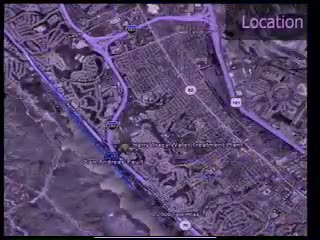
Julie Labonte, presenting a Water System Improvement Program update, said follow‑up investigations identified two segments of a secondary feature called the Sarah Fault beneath and near plant reservoirs. The new analysis showed potential displacement on the eastern strand large enough to threaten reservoirs and connecting pipelines during a major San Andreas event, which would necessitate either significant strengthening work, relocating the reservoirs, or moving the entire plant.
‘‘Our consultants confirmed additional reliability work is required to meet the program’s levels of service,’’ Labonte said, recommending Option 2: build the baseline improvements already scoped, maintain the high seismic design criteria (BSC‑2), and relocate the two treated water reservoirs to a lower, more stable site on the existing property. Staff also listed interim measures underway, including isolation valves, seismic sensors and operational response planning.
Why it matters: staff said the plant must be able to deliver up to 140 million gallons per day for up to 460 consecutive days under the program’s delivery goal and remain functional within 24 hours of a major seismic event. Labonte said the current approved budget is about $176,000,000 and that Option 2 would increase the program by an estimated $153,000,000 to $183,000,000; staff expects to refine the estimate after completing 35% design in about five months and return with a formal change request in July.
Commissioners pressed staff on whether the Sarah Fault and associated slope conditions were previously known, what protections the diversion wall and other features provide to nearby schools and residences, and how the added cost would be funded. Labonte said some strand information pre‑existed but the extent of the eastern strand’s impact became clearer through the additional geotechnical analyses that followed the project’s alternative analysis report. Staff said interim mitigation work is already under way and that funding would likely come from bond authorizations within the program or by issuing additional bonds; they noted potential offset from low construction bids in the current market but said those savings cannot be assumed.
The commission did not take a final vote on the scope change at the Jan. 27 meeting. Labonte said interim actions should be completed by late 2010 and that staff would return with more exact figures and a formal request for scope and cost changes by July, after reaching the 35% design milestone and completing CEQA steps tied to the project.
The commission accepted public comment from technical reviewers and neighboring agency representatives who urged keeping level‑of‑service goals intact and ensuring neighborhood safety and review of the technical reports.
Next steps: staff will complete 35% design and more detailed cost estimates, continue interim risk‑reduction purchases and operational planning, and return to the commission with a formal scope and budget change request in July. The CEQA process for the project will run in parallel and will inform final decisions.