Get Full Government Meeting Transcripts, Videos, & Alerts Forever!
Get email alerts on the Infrastructure topic
No spam. Unsubscribe anytime.
SFPUC outlines MOU approach to limit disruption from Bay Division Pipeline 5 construction
Summary
The SFPUC proposed using intergovernmental memoranda of understanding to coordinate BD5 construction across Alameda and San Mateo counties and five cities, offering to implement EIR mitigation measures, secure staging areas and seek expedited permits while negotiating indemnities and limited monetary support for jurisdictional reviews.
The San Francisco Public Utilities Commission presented a negotiating strategy to reduce schedule risks and community impacts for the Bay Division Pipeline 5 (BD5) project by signing memoranda of understanding with affected jurisdictions.
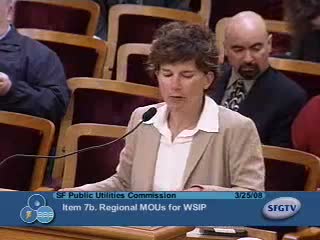
Julie Labonte, identified as WECIP Director, told commissioners BD5 would cross Alameda and San Mateo counties and several cities and school districts and that while state law provides the PUC with intergovernmental immunity from local planning and building requirements, the agency will still be required by its project EIR to implement mitigation measures consistent with local ordinances. Labonte said MOUs would clarify roles and responsibilities, provide community reassurances, identify staging areas and encroachment permits, and could include monetary support for time-consuming permit reviews.
Labonte said the approach aims to minimize schedule delays and secure community support; she noted existing precedent in a past MOU with the City of Fremont. She also said the PUC already has some verbal agreements in place and that detailed negotiations will be led by the BD5 project manager, Joe Ortiz, with oversight from the general manager and deputy general manager. Commissioners asked staff to maintain communications with local elected officials, including Supervisor Jerry Hill of San Mateo County.
Next steps: staff will continue MOU negotiations with affected cities and counties and return with proposed agreements and any recommended legal or closed-session briefings if real-estate or litigation matters arise.