Get Full Government Meeting Transcripts, Videos, & Alerts Forever!
Get email alerts on the Elder Abuse topic
No spam. Unsubscribe anytime.
San Francisco advocates and police urge stronger response to elder abuse, debate stand‑alone unit
Summary
Experts, advocates and SFPD officials urged expanded resources and a coordinated response to elder abuse at the Nov. 4 Police Commission meeting, recommending a stand‑alone elder‑abuse unit or hybrid civilian-sworn model and additional training as elder cases rise and many remain underreported.
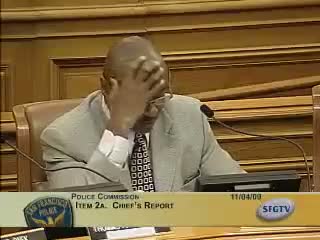
San Francisco — Advocates, clinicians and San Francisco Police Department officials pressed the Police Commission on Nov. 4 to strengthen the city’s response to elder abuse, arguing that rising numbers, underreporting and complex financial schemes mean the city needs dedicated staff and new investigation models.
Captain Ehrlich outlined the SFPD’s current approach to elder‑abuse investigations, saying the department responds with inspectors and partners such as Adult Protective Services and the district attorney’s office. He described the workflow for physical and financial abuse cases, noted limited inspector staffing and said financial investigations often require specialized training and time-consuming work such as bank warrants and audits.
Speakers from community organizations and academic centers presented local data and policy context. Mary Toomey, co‑director of a UC Irvine Center of Excellence on Elder Abuse and Neglect, said San Francisco has a comparatively large population of older residents and argued that stand‑alone units in other California cities helped improve outcomes. Erica Falk, a clinical psychologist who runs the San Francisco Elder Abuse Forensic Center, described the Forensic Center’s case reviews and said African Americans are disproportionately represented among reported victims in the cases her center sees. Julie Peck, manager of Adult Protective Services, said APS cross‑reported 3,546 of 6,958 reports it received during a recent July–February window to SFPD and advocated for centralized focus and coordination.
Domestic violence advocates and legal experts urged a multidisciplinary, sustained response. Beverly Upton of the San Francisco Domestic Violence Consortium said the city’s prior investment in specialized domestic‑violence work produced measurable results and should be a model for elder abuse response. Prescott Cole of California Advocates for Nursing Home Reform cited the growing use of reverse mortgages and other financial instruments that can leave seniors vulnerable to predatory actors.
Commissioners and the chief discussed feasible models. Commissioner Mark Lee (remarks during the meeting) said a proactive initiative was needed and asked the chief to consider a community‑partnered work group or task force that could return recommendations within months. Chief George Gascon told commissioners he’s directing a human resources work group with outside experts — including civil‑rights attorney Connie Rice — to review promotional and organizational processes and to explore hybrid models that could include civilian investigators alongside sworn staff. He said the city must be realistic about costs and that some responses could be civilian‑led with sworn backup.
The commission requested follow‑up: advocates asked for a clear timeline and proposed that staff return with concrete options — for example, a full stand‑alone unit, a hybrid civilian‑sworn unit, or targeted reallocation and training — and estimated resource needs.
Next steps: commissioners asked staff and the chief to form a work group with community partners and return with recommendations for resourcing, staffing and training later this year or early next year.