Get Full Government Meeting Transcripts, Videos, & Alerts Forever!
Get email alerts on the WSIP topic
No spam. Unsubscribe anytime.
PUC says WSIP continues on schedule, programmatic EIR expected in June; rate‑setting process to reach public hearing in May
Summary
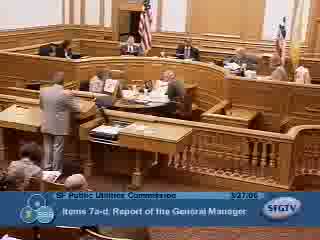
Deputy GM Tony Irons and staff updated the commission on WSIP milestones — the programmatic EIR was described as in final internal screening with a planned publication in June — and Scott McDonald outlined the rate‑setting timeline, which includes a Rate Fairness Board hearing in April and a public rate hearing on May 8.
San Francisco PUC staff told commissioners the Water System Improvement Program (WSIP) is making progress and that key program analyses are nearing completion. Deputy General Manager Tony Irons said local WSIP projects are largely out of planning — staff reported about 63% of local projects and 54% of regional projects are in design or construction — and that the programmatic environmental impact review is in its final internal screening with a projected publication in June.
Irons emphasized that additional CEQA alternatives analysis and harmonization with the Calaveras Dam EIR required extra review time but that, "the document is, for all intents and purposes done." He noted the risk analysis by Parsons and CH2M Hill is targeted for completion by the end of the coming month and an economic impact report would be available for commissioner review in mid‑April.
On rates, Assistant General Manager Scott McDonald reviewed outreach and process milestones: the Rate Fairness Board meets April 11, staff expects a Rate Fairness Board report around April 24 and the commission has scheduled a public hearing on May 8 where rates may be considered for adoption. McDonald described a tiered rate structure designed to signal conservation and said staff mailed notices explaining possible dollar increases; "the average family or residential user...falls in the combined bill of about $50," McDonald said, and staff presented average residential consumption as about seven billing units (roughly 5,000 gallons per billing cycle).
Commissioners asked staff to be ready to explain percentage changes to customers and to address the effect of recent court rulings affecting notification practices (referenced in the meeting as Prop 218). Staff said the same allocation methodology used in prior rate settings was applied to this rate change and that the methodology is defensible.
Why it matters: WSIP timing and scope influence contracting, bidding and local shutdown schedules; rates outreach and the public hearing schedule will shape public attention and the pacing of any rate increase.
What's next: staff will present a detailed rates presentation at the next commission meeting and share the Rate Fairness Board report when available.