Get Full Government Meeting Transcripts, Videos, & Alerts Forever!
Get email alerts on the Whole Person Care topic
No spam. Unsubscribe anytime.
San Francisco Health Department lays out Whole Person Care plan to coordinate services for homeless adults
Summary
Department of Public Health officials told the Health Commission the county has about $36 million for a Medi-Cal waiver program that will integrate health, housing and benefits for single adults experiencing homelessness; officials flagged Medi-Cal enrollment and data-sharing as major barriers and pledged quarterly metrics and a one-year progress report.
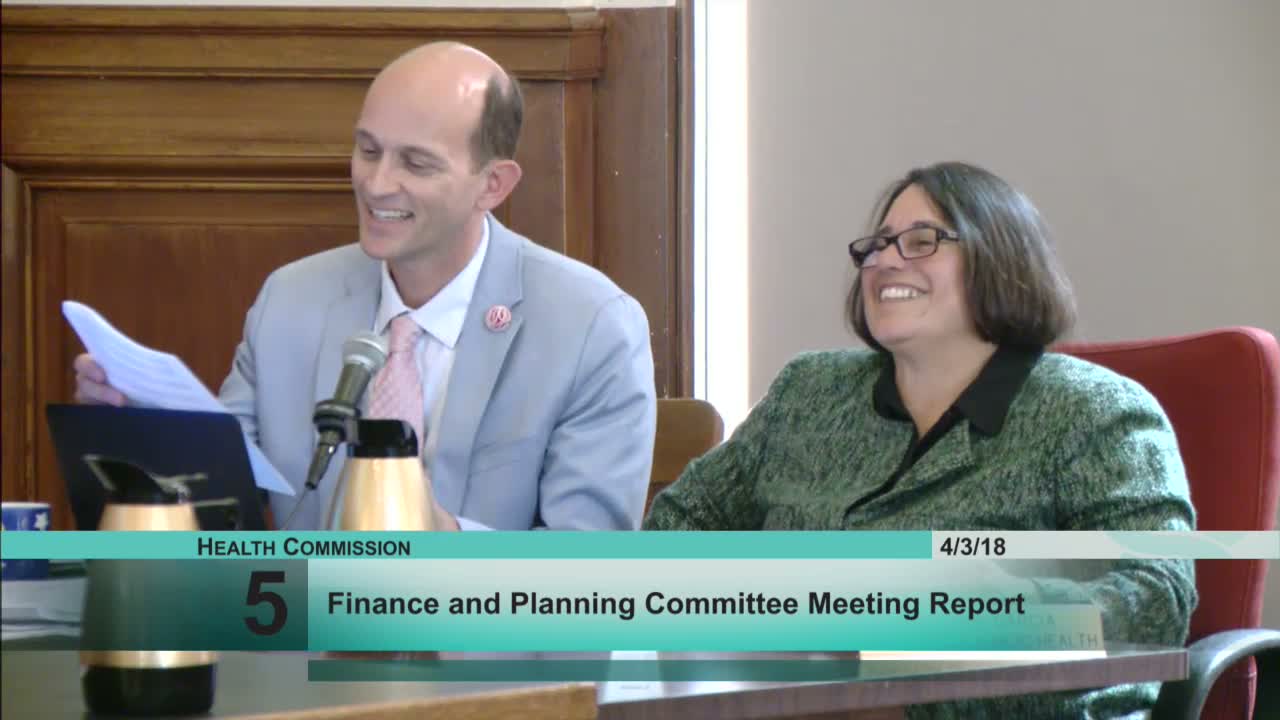
Maria Martinez, director of Whole Person Care, told the San Francisco Health Commission that the city has approximately $36,000,000 to implement a Medi-Cal waiver program aimed at coordinating medical care, housing support and benefits for single adults experiencing homelessness.
Martinez said half of the funding is matched by the city's general fund and that the program, which began in January 2017, is scheduled to end in December 2020. "We have about $36,000,000 of funds for this effort. Half of it is matched through general fund," she said. The program targets high-cost, high-use individuals who rely on emergency and urgent services and seeks both system changes and direct services.
Why it matters: the Whole Person Care waiver allows San Francisco to bill Medi-Cal for some of the services delivered to eligible Medi-Cal enrollees. Martinez and Dr. Barry Zevin said the county is already serving thousands of people through outreach and engagement but cannot bill the state for many encounters because a substantial share of the population lacks San Francisco Medi-Cal or cycles on and off enrollment.
Martinez and Zevin described several operational challenges and steps the department is taking. They reported that in the first 12 months of the program the city reached more than 14,000 people experiencing homelessness; about 11,000 were served by Department of Public Health systems in the last fiscal year the department cited. Martinez said roughly 57 percent of people in the program had San Francisco Medi-Cal at some point, and the department estimates an additional cohort could be enrolled if outreach and paperwork barriers are addressed.
"One of our biggest challenges is trying to convert folks who can meet the criteria to get them through the arduous process of getting Medi-Cal and staying on Medi-Cal," Martinez said, describing common obstacles such as loss of identification, lack of stable mailing addresses and the complexity of renewals.
Officials outlined an IT and data strategy to link health, homelessness and benefits systems. The department plans to continue using the Coordinated Care Management System (CCMS) as an interim solution and to work with vendor Gartner and the planned EPIC deployment to create a shared record. Martinez said the program will also test a common 15-question risk assessment so providers can triage people consistently across settings.
The commission pressed for measurable milestones. Commissioner Chao asked when commissioners could expect interim outcomes. Martinez said the program will report quarterly on metrics used for the waiver and that staff expect to have sufficient measurement to show progress within about a year. "We have to measure it every quarter," Martinez said.
Next steps: Commissioners asked the department to return with follow-up reporting. Martinez and staff agreed to provide regular updates and the commission indicated it expects a progress report within a year that includes the department's plan for sustaining effective changes after the waiver period ends.