Get Full Government Meeting Transcripts, Videos, & Alerts Forever!
Get email alerts on the Homelessness topic
No spam. Unsubscribe anytime.
City outlines $42.5M transfer and new department priorities to better coordinate homelessness services
Summary
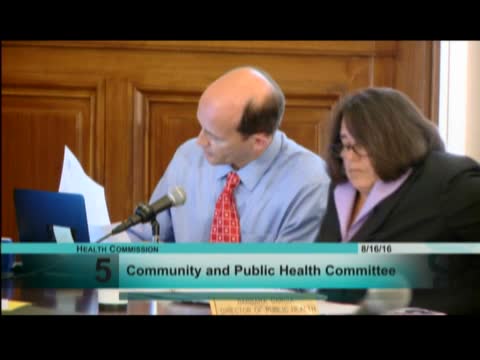
The Health Commission heard a briefing on transferring roughly $42.5 million in homelessness services and housing assets to the newly formed Department of Homelessness and Supportive Housing; the new director outlined goals including a coordinated-entry database, encampment response teams and prevention work.
The commission received a multi-part presentation on the transfer of homelessness programs from DPH to the newly established Department of Homelessness and Supportive Housing, including roughly $42.5 million in program funding and housing assets.
Director Garcia described the transfer as largely administrative while preserving DPHs clinical role: the department will continue to provide medical respite and clinical support to outreach teams and supportive-housing sites. Commissioners received an attachment listing housing units and financial details and asked staff to provide a corrected schedule for some line items.
Jeff Kosuski, the new director, outlined the new departments top-line priorities: develop a strategic plan and gaps analysis, consolidate 12 separate homelessness databases into a single coordinated-entry system to triage and prioritize people by acuity, expand encampment-response teams and publish an encampment schedule online, and invest more in homelessness prevention and housing exits.
Kosuski said San Franciscos current point-in-time count shows roughly 6,700 people experiencing homelessness, with about 3,500 unsheltered. He said the city currently has approximately 6,500 supportive-housing units and can add roughly 400 new units per year; that limited turnover means expectations for rapid reductions in unsheltered counts should be managed.
Commissioners asked detailed questions about data sharing and HIPAA constraints, unreimbursed hospital bed-days attributable to housing-discharge delays, federal funding streams included in the transfer, and how coordinated-entry will interface with clinical records. Kosuski described Whole Person Care application resources to help with data integration and said the citys chief data officer is working on broader HIPAA-compliance approaches.
Garcia and Kosuski emphasized partnership: DPH will continue clinical care while the new department will run outreach and housing functions; both offices plan frequent coordination and a phased transition expected to take up to a year.
Ending: Commissioners requested follow-ups on budget accounting for unreimbursed hospital days, demographic breakdowns for measures such as fluoride-vaccination targets, and an update on transition milestones in six months.