Get Full Government Meeting Transcripts, Videos, & Alerts Forever!
Get email alerts on the Transgender Health topic
No spam. Unsubscribe anytime.
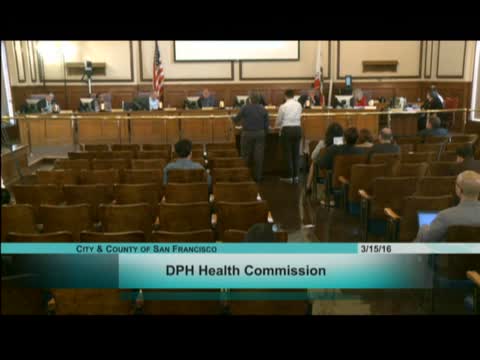
Commission hears evaluation and access challenges for transgender health services
Summary
Transgender Health Services staff reported 361 referrals and 103 surgeries to date, noted longer wait times for genital surgeries (up to years for some surgeons), presented evaluation benchmarks (timely access, surgical readiness, patient satisfaction) and outlined steps toward in-house surgical capacity and aftercare supports.
Julie Graham, director of Transgender Health Services, told the commission the program has grown since coverage of medically necessary gender confirmation surgery began in 2013. "We were able to provide 7 surgeries in 02/2013. In 02/2014 we provided 36 surgeries," Graham said, and by February the program had logged 361 referrals and provided 103 surgeries overall.
Dr. Seth Pardo, the program evaluator, presented phase-one evaluation goals and early outcomes based on roughly 38 exit interviews. He said in-network chest surgeries averaged about 25 weeks from enrollment to date of surgery, while general (genital) surgeries averaged about 53 weeks to consult and can take as long as two to three years to reach a scheduled date. "Among the 38, about almost half said that they wanted more information about post-surgical care," Pardo said. He reported a target of a 10 percent relative improvement year-over-year for surgical readiness and timely access, and a goal to maintain or exceed an 80 percent patient satisfaction benchmark.
Presenters described capacity and access challenges: many patients require out-of-network surgeons with long waitlists (one nine-month and one three-year wait listed in the transcript), post-operative housing and nutrition support for recovery, and clinical barriers such as smoking and substance use that affect surgical eligibility and outcomes. Julie Graham and Roland Pickens (director of the network) discussed a business plan to build internal surgical expertise at Zuckerberg San Francisco General as operating-room capacity increases after the hospital rebuild.
Commissioners probed demand and cost questions. Presenters estimated roughly 10 new referrals per month without outreach and a public health-enrolled transgender population of about 2,500, with an annual referral range near 130-140. Staff emphasized data gaps: "the public health record doesn't really track gender identity for trans people very well," Pardo said, and commissioners urged using the evaluation to inform a business plan that compares the costs of buying out-of-network capacity versus building in-house services.
Presenters requested continued oversight and an annual update; staff suggested a business-plan milestone within nine months to support budget planning for the next fiscal cycle.