Get Full Government Meeting Transcripts, Videos, & Alerts Forever!
Get email alerts on the Staffing topic
No spam. Unsubscribe anytime.
Nurses tell commission short staffing and missed breaks are risking patient safety; union asks for open staffing hearing
Summary
Multiple nurses from San Francisco General and Zuckerberg testified to persistent understaffing, missed meal and break periods and unsafe conditions; speakers urged the commission to fund permanent nursing positions, add a budgeted break nurse, and hold a public staffing hearing.
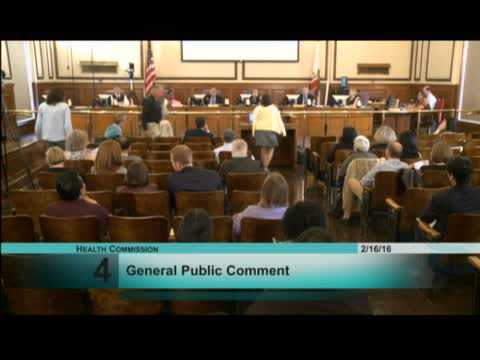
Several nurses and union representatives used the public-comment period at the Health Commission meeting to describe chronic understaffing at San Francisco General and Zuckerberg San Francisco General and to urge changes in the department—s budget and operations.
Diana Yanez, a birth-center registered nurse at San Francisco General, read a signed letter from 30 nurses reporting repeated missed meal breaks and understaffing, and said understaffing creates patient-safety risks; she recounted a recent birth in which a newborn required resuscitation and the nurse had to begin resuscitation because no one else heard the call for help.
Bob Ivory, a trauma nurse at San Francisco General, cited two key figures: 59 percent (the percentage of time the emergency department was on diversion in a recent month), and 207 — the number of budgeted beds the hospital can operate. Ivory warned that the planned bed mix for the new hospital (converting some med-surg beds to ICU, creating flex beds) will increase acuity and staffing needs without corresponding new FTEs or training dollars.
Michael Plank and Norlisa Cooper urged the commission to budget for a designated break ("relief") nurse on med-surg units so staff can take lawful breaks without leaving other patients unmonitored. Plank argued that the common practice of nurses covering colleagues— breaks produces double workloads that violate Title 22 ratios and places both patients and nurses at risk; he cited an arbitration outcome elsewhere finding the buddy-break system untenable.
Representatives asked the commission to consider the nurses— request in the upcoming budget process and to hold an open hearing focused on staffing. At the end of the meeting, a public commenter restated a formal request for an open hearing and for labor representation at joint conference committees to ensure staffing issues are examined with labor and management present.
Commissioners and staff acknowledged the concerns, noted an ongoing labor-management process and upcoming contract negotiations that will further address staffing levels, and said staffing studies and additional data on FTE counts and registry use will be part of budget and implementation planning.