Get Full Government Meeting Transcripts, Videos, & Alerts Forever!
Get email alerts on the E Cigarettes topic
No spam. Unsubscribe anytime.
Health Department launches e-cigarette education as ordinance treats e-cigarettes like cigarettes
Summary
Following the Board of Supervisors' ordinance equating e-cigarettes with cigarettes in many settings (Health Code section 19), the Department of Public Health described an educational push for retailers and the public funded by tobacco settlement funds; staff said the $115,000 campaign will use transit ads, fact sheets, and outreach to schools and agencies.
The San Francisco Department of Public Health outlined an education and implementation effort for Health Code section 19, which treats electronic cigarettes in the same manner as combustible tobacco for permitting and use restrictions.
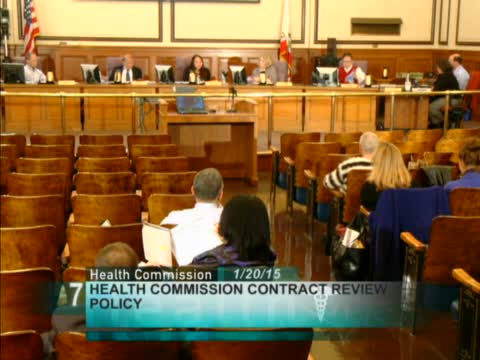
Derek Smith of the Tobacco Free Project told the commission the department's role is to inform the public and retailers about the new regulation and to support enforcement by Environmental Health. Smith said outreach has included mailings to tobacco retailers and e-cigarette-only shops, fact sheets for transit and parks agencies, law enforcement and schools, and guidance about where e-cigarette use remains prohibited (including indoor areas, parks, and within 15 feet of entrances).
Coalition member Bob Gordon described the creative campaign, which uses a "No vaping" visual paired with a quit message and multilingual translations. Gordon said the campaign draws on focus-group work and will run on buses, trains and shelters, with targeted outreach materials for agencies and retailers.
Funding and timing Smith said the educational campaign budget is approximately $115,000, funded from master settlement funds earmarked for non-traditional tobacco products. The department said the Board of Supervisors enacted the ordinance last year and that staff are now carrying out education and enforcement preparations; presenters noted requests for campaign artwork from other jurisdictions.
Data and evaluation Presenters cited national youth-use trends and local evaluation plans: the department will track website traffic, 311 calls and complaints, social-media engagement, targeted key-informant interviews with young people, and intercept surveys to assess message reach and public response. Smith said the department will coordinate with the San Francisco Unified School District on school-based components, but schools will manage their own school-based education efforts.
Commissioners asked about audience targeting, metrics and whether buses are the most effective channel for reaching adolescents; staff said the campaign includes social media, school partnerships and evaluation measures and that the official public launch was planned for mid-to-late January.