Get Full Government Meeting Transcripts, Videos, & Alerts Forever!
Get email alerts on the Prop Q Cpmc Snf topic
No spam. Unsubscribe anytime.
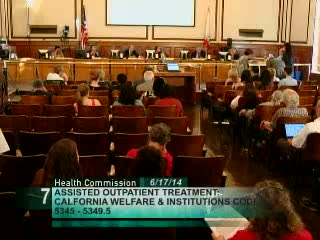
Health Commission holds Proposition Q hearing as CPMC proposes to realign skilled nursing beds
Summary
CPMC told the Health Commission it will realign skilled nursing facility (SNF) beds across four campuses and operate 75 staffed SNF beds; nurses, unions and community groups called the changes closures and urged the commission to find a detrimental impact. The commission requested more data and scheduled a second hearing for July 15.
The Health Commission held the first of two required Proposition Q hearings after California Pacific Medical Center notified the city it planned to realign skilled nursing facility beds across its campuses, a plan CPMC says preserves overall services while opponents called it a reduction in access that will harm San Francisco residents.
Deputy Director Colleen Chavla explained the Prop Q process and gave the master plan context: San Francisco currently has licensed capacity of roughly 212 SNF beds across the CPMC system but typically staffs far fewer; CPMC reported 99 staffed beds in recent months and said it proposes to staff 75 beds after realignment, a net reduction of about 24 staffed beds (Cal, Davies, St. Luke's campuses involved) (SEG 2079'2121). The master plan analysis cited in staff materials projects a long'term possible deficit in long'term care beds as the city ages.
Craig Veracruz, CPMC's chief operating officer, told the commission the change is a "realignment" driven by a sustained lower census and payor/market changes. "This is a realignment. There is no reduction in services," Veracruz said, noting an average daily census around 68 and an average length of stay of 14'16 days in their SNF units.
Public testimony was largely critical. Nursing staff, union representatives (NUHW, CNA), physicians and community advocates testified that CPMC had already closed floors, refused referrals from other hospitals and that beds have been artificially kept empty; they argued the action amounts to closure rather than mere internal realignment and asked the commission to find a detrimental impact under Prop Q. "This is not a realignment. This is a closure," a union representative told the commission. Nurses recounted patients turned away and said beds had been closed since February without proper notice.
Commissioners pressed CPMC and staff for data to distinguish licensed beds from staffed beds, to explain payer mix and to document the 12'month trend CPMC cited. CPMC said it would provide supplemental information on licensing and state processes and on workforce impacts; staff noted CPMC's development agreement reporting is available and required follow'up. The commission set a second Prop Q hearing for July 15 and asked for written materials in advance so the public and commissioners can review admissions, payer mix and licensing details.
No final commission finding was made at this hearing; commissioners and community members said the requested data will determine whether the commission will find the action detrimental to public health services.