Get Full Government Meeting Transcripts, Videos, & Alerts Forever!
Get email alerts on the Employee Wellbeing topic
No spam. Unsubscribe anytime.
Board advances plan to expand EAP services and coordinate first‑responder support
Summary
SFHSS staff outlined a proposal to expand employee assistance program (EAP) services and coordinate external EAP contracts with police, fire and MTA; commissioners raised workforce shortage, reimbursement and access concerns and asked staff to protect existing peer‑support programs for first responders.
San Francisco Health Service System leaders described a planned expansion and coordination of Employee Assistance Program (EAP) services for employees and first responders during the board’s director’s report.
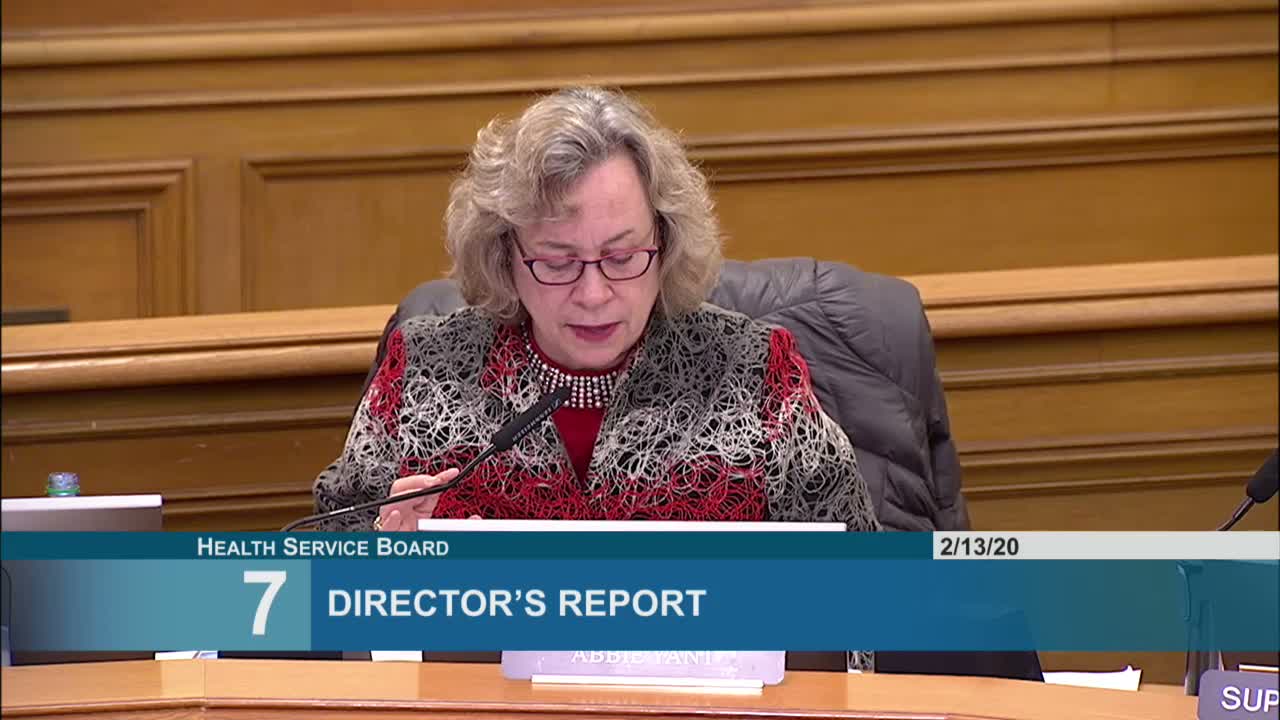
Executive Director Abby Yant told commissioners the HSS is preparing a proposal for a general‑fund budget to expand EAP services in response to increasing demand and to coordinate internal and external EAP resources across city departments. Yant said the Fire Department and other first‑responder agencies are preparing an RFP for external EAP services likely to be released in March and emphasized the goal is to enhance, not disrupt, existing police and fire peer‑support programs.
Commissioners and members of the public raised concerns about access, reimbursement rates and workforce shortages. A commissioner noted that provider reimbursement under some HMOs is low and that recruitment and retention are constrained by housing costs in the Bay Area; Yant agreed workforce pipeline issues—unpaid internship requirements and an aging counselor workforce—limit the speed at which HSS can increase provider capacity. She also said tele‑mental health might improve access for some members who live outside the Bay Area.
The board asked staff to include retiree coverage considerations in the plan and to share the EAP proposal with the board once finalized. Yant said HSS will coordinate with the police behavioral health unit and others to preserve successful existing programs while expanding access where feasible.