Get Full Government Meeting Transcripts, Videos, & Alerts Forever!
Get email alerts on the Employee Benefits topic
No spam. Unsubscribe anytime.
San Francisco health board defers vote on online "Simple Therapy" benefit, asks staff to design pilot
Summary
The Health Service Board deferred action on adding Simple Therapy, an online exercise program proposed for city employees and retirees, and directed staff to craft a targeted pilot and provide baseline claims data and metrics at next month's meeting.
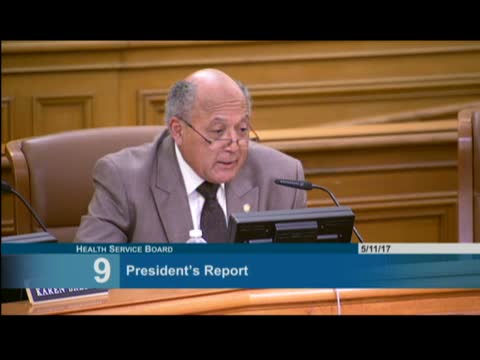
The San Francisco Health Service Board on May 18 deferred a decision on adopting Simple Therapy, an online, video‑guided musculoskeletal exercise program proposed as a new benefit for city employees and retirees, and directed staff to design a pilot and return with baseline claims and participation metrics.
Helena Plater Ziberg, chief executive officer of Simple Therapy, told the board the vendor's analysis of the city population shows that about 21 percent had pain‑related claims in a recent rolling year, nearly $1 million has been spent on opioids for those conditions, and roughly 1,700 musculoskeletal surgeries occurred in that population. The company also reported about 6 percent physical‑therapy utilization among the covered population and said a survey of its users found 72 percent experienced pain decreases after using the service.
Board members and staff pressed for more operational detail and independent measures. Commissioner Follinsbee asked whether medication use is being tracked; Ziberg said the firm has anecdotal reports of reduced prescription pain‑medication use but would work with the system's all‑payer claims database and add in‑platform surveys to gather objective evidence. Commissioner Sass said she was concerned about clinical screening and the role of primary care physicians; Ziberg described an intake screening tool that triages roughly 20 percent of users to seek in‑person care instead of progressing to exercises.
Several public commenters, including retiree and former HSS director Catherine Dodd and union representatives, endorsed the proposal as a convenience and fall‑prevention measure for older residents and shift‑workers. Opponents and skeptical board members warned the program cannot replace hands‑on therapy and asked for liability, workers' compensation data and clearer cost/savings estimates. Acting Executive Director Mitchell Greggs suggested a pilot as a compromise.
President Scott closed discussion by instructing staff to work with the vendor to define a pilot (including target populations, outreach and a data plan that uses claims baselines), and to return with a recommendation at the board's next meeting. No formal procurement or enrollment decision was made today.