Get Full Government Meeting Transcripts, Videos, & Alerts Forever!
Get email alerts on the City Plan Buydown topic
No spam. Unsubscribe anytime.
Health Services Board authorizes $5.4M one‑time buy‑down from stabilization reserve to lower City Plan premiums
Summary
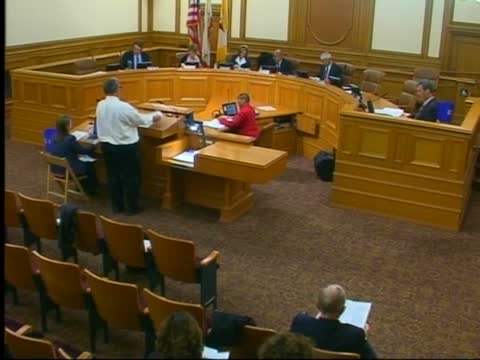
After hours of debate over who benefits from trust surplus and how to avoid the Affordable Care Act excise tax, the board approved a one‑time $5.4 million suspension of the stabilization reserve to reduce 2016 active and early‑retiree premiums for the UHC City Plan.
The San Francisco Health Services Board voted to suspend its self‑funded plan stabilization policy for one year and allocate $5,400,000 from the stabilization reserve to buy down active and early‑retiree premiums in the City Plan for the 2016 plan year.
Aon Hewitt actuary Anil Kosher had recommended the buy‑down, citing a sizable claim stabilization reserve and the board’s goal of reducing the chance that the City Plan would trigger the Affordable Care Act excise (so‑called “Cadillac”) tax in 2018. "I recommend you suspend the claim stabilization policy for the 1 time buy down of $5,400,000," Kosher said during the presentation.
President Scott framed the action as a fiduciary move to lower the plan’s base now and reduce the risk of a much larger penalty later. "2018 is approaching all employers, including the city and county of San Francisco, inexorably," he said, arguing the buy‑down would create more room before the excise‑tax threshold is reached.
The board debated several options over the afternoon. An initial motion to combine the rate card approval with the buy‑down failed for lack of a second. Later, a motion to approve the buy‑down as a one‑time suspension of the stabilization policy was moved, seconded and carried unanimously; commissioners recorded reservations on sustainability but voted in favor.
Supporters said the measure would immediately reduce employee out‑of‑pocket contributions for family coverage and curb projected excise tax exposure in 2018. Skeptics warned that much of the reserve had been generated by Medicare experience (post‑65 retirees) and questioned whether returning those funds to actives and early retirees matched the principle that those who generated the surplus should benefit first.
Pam Levin, Deputy Director and CFO, told the board that the accounting and audit treatment posed no barrier to the action. Aon Hewitt said the buy‑down could be sustained for two to three years from available reserves but that long‑term continuation would require fresh surplus generation or different policy choices.
The board’s one‑time draw will be applied to the City Plan rate cards for 2016; staff and actuarial work will continue to model future thresholds and report to the board on sustainability at upcoming meetings.