Get Full Government Meeting Transcripts, Videos, & Alerts Forever!
Get email alerts on the Parks Open Space topic
No spam. Unsubscribe anytime.
Historic Preservation Commission presses for stronger Golden Gate Park protections as 'Rose' update advances
Summary
Commissioners and public speakers urged stronger preservation language for the Recreation and Open Space Element ('the Rose'), asking staff to incorporate Secretary of the Interior standards, cultural landscape language and clearer no-net-loss protections for Golden Gate Park and other open spaces; staff set a March 6 comment-response deadline and target adoption March 27.
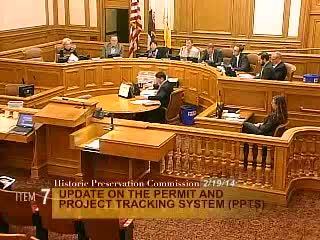
At a lengthy Feb. 19 hearing, the Historic Preservation Commission and numerous public speakers urged the Planning Department to strengthen proposed language in the 2013 Recreation and Open Space Element update (the "Rose"), particularly to protect Golden Gate Park and other significant open-space landscapes.
Sue Exline of the Planning Department summarized a multi-year outreach process and presented proposed additions—policy 1.12 to "recognize the value of historic buildings and landscapes" and policy 1.13 to "identify and preserve historic landscapes, buildings, structures, and objects within City parks." Exline said the department is targeting a March 27 adoption and extended the public comment deadline to allow additional input.
Public commenters and preservation groups pushed for clearer, more protective language. Greg Miller told the commission he is "worried about proposed revisions...that may weaken the Commission's ability to protect the historic resources of Golden Gate Park," arguing that the park should be treated as a single designed landscape and protected against incremental loss. Catherine Howard and Nancy Warfel urged insertion of Secretary of the Interior standards language and explicit restrictions against new permanent buildings in open space. "Historic landscapes should be preserved, maintained, and remain as open space without built features imposed upon them," Warfel said.
Commissioners asked staff to add firmer preservation terms—Commissioner Hyland proposed language to "recognize the value of historic and culturally significant sites, landscapes, and buildings" and suggested adding 'preserve and rehabilitate' as an objective. Several commissioners recommended adding 'cultural landscapes' and using frameworks such as the Historic American Landscape Survey (HALS) to support comprehensive surveys where warranted.
Staff responded that the proposed change aims to achieve a "no net loss" of open space: where limited changes are proposed, they would require compensatory measures (for example, acquiring new parkland or removing other built space) so that overall park acreage is not diminished. Director Weier emphasized the difficulty of interpreting overly strict language that could, for example, prevent small maintenance additions. Exline committed to produce the department's responses to comments by March 6 and to circulate revised language for commission review ahead of the March 27 adoption hearing.
The record shows robust disagreement over whether the draft Rose strikes the right balance between preservation priorities and flexibility for new uses. Commissioners and public stakeholders requested specific edits to strengthen preservation intent, recommended explicit reference to Secretary of the Interior standards and asked staff to clarify definitions and evaluation criteria before adoption.
Next steps: Planning staff will publish responses to comments and a revised document by March 6; the Planning Commission is scheduled to consider the element ahead of the March 27 adoption target.