Get Full Government Meeting Transcripts, Videos, & Alerts Forever!
Get email alerts on the On Demand Workers topic
No spam. Unsubscribe anytime.
LAFCO’s on‑demand worker survey faces $270,000 funding gap as AB5 raises urgency
Summary
LAFCO staff said the representative on‑demand worker survey will cost about $595,000, with $295,000 raised and a $270,000 shortfall; staff warned work may stop if new funds aren’t secured by Oct. 15, while an intern briefed commissioners on AB5 and enforcement paths that make real‑time data critical.
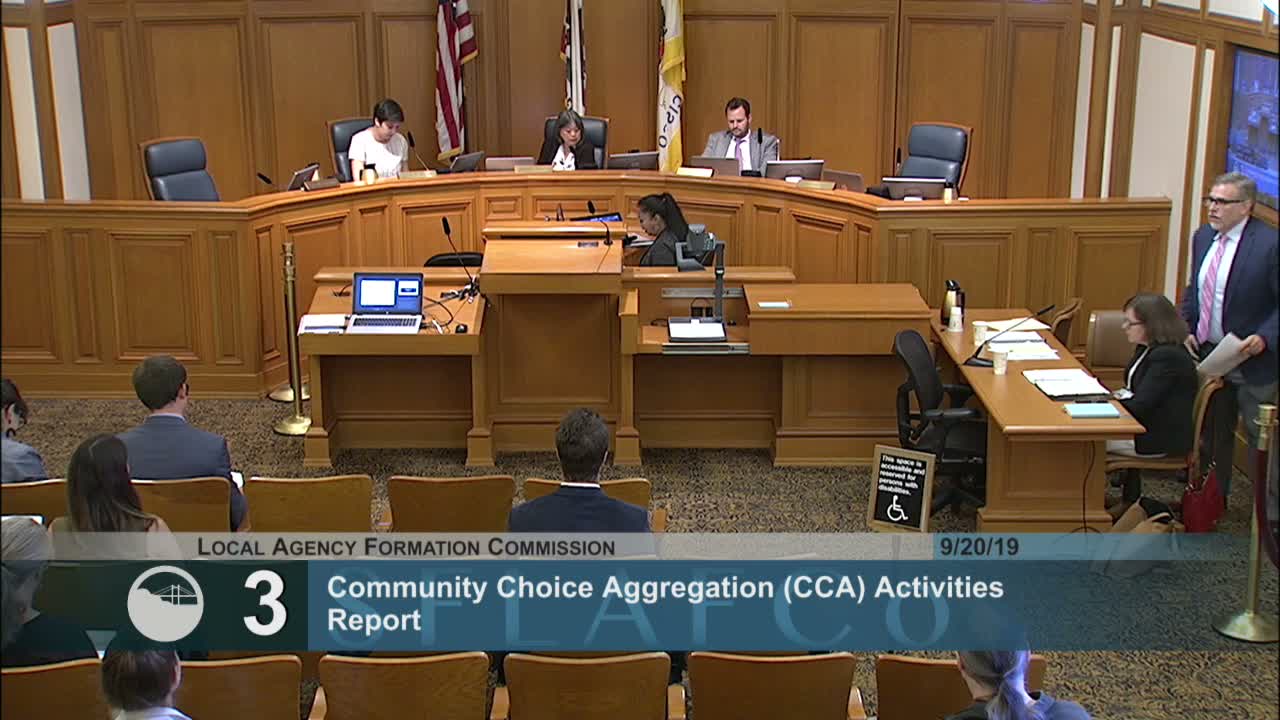
San Francisco — LAFCO staff told the commission on Sept. 20 that its proposed on‑demand worker survey — designed with worker input and focus groups to capture pay, expenses, safety, and demographics across ride‑hail and delivery platforms — is at risk unless remaining fundraising is secured by Oct. 15.
"The total cost of the survey and the study is estimated to be around $595,000," Executive Officer Brian Goble said. He reported the team has raised approximately $295,000 (including a $100,000 grant from the San Francisco Foundation) and currently faces a $270,000 funding gap. Goble warned bluntly: "If we don't raise the money by October 15, unfortunately, work on the survey is going to need to stop until we get all of the funding in place."
Goble described phase 1 as complete (literature review, expert interviews and focus groups, including an Arabic‑language focus group), and laid out the two pilot recruitment options under consideration: in‑app recruiting (most representative) and an online/Facebook approach. He said the draft questionnaire covers platform affiliation and tenure, income and benefits, platform practices, vehicle/expense questions (including e‑bike interest), safety and restroom access, hours worked and demographics; the full survey is expected to take about 20 minutes.
LAFCO’s intern Dan Veil summarized the consequences of California’s AB5, which codified the ABC test and takes effect Jan. 1 for the relevant classification standard. "Workers are considered to be employees unless they fail this test," Veil said, explaining enforcement paths including private lawsuits, state audits, the attorney general or city attorneys in large jurisdictions, and investigations by the Labor Commissioner. Veil and staff said AB5 increases the urgency of collecting representative, real‑time data because company responses and litigation activity may alter working conditions while the survey is underway.
Public commenters urged the survey to examine related environmental and congestion effects and to consider municipal policy responses. Eric Brooks (San Francisco Clean Energy Advocates) recommended studying how to localize the workforce and proposed exploring municipal ride‑hail under the MTA as a policy path.
Next steps: Staff said Phase 2 of the survey would start the following week if funds permit; Phase 3 (a robust review process) is scheduled for February, and a final report is expected in May 2020. Commissioners offered to help with foundation outreach to meet the Oct. 15 funding deadline.