Citizen Portal
Sign In

LAFCO hears Clean Power SF enrollment surge and Department of the Environment report on emissions, efficiency

San Francisco Local Agency Formation Commission ยท March 15, 2019

Loading...

AI-Generated Content: All content on this page was generated by AI to highlight key points from the meeting. For complete details and context, we recommend watching the full video. so we can fix them.

Summary

At the March 15 meeting LAFCO received an SFPUC update that Clean Power SF will enroll more than 250,000 accounts in April and reported rising public inquiries and opt-outs; the Department of the Environment said city emissions are about 30% below 1990 and outlined energy-efficiency programs and funding constraints under SB 350.

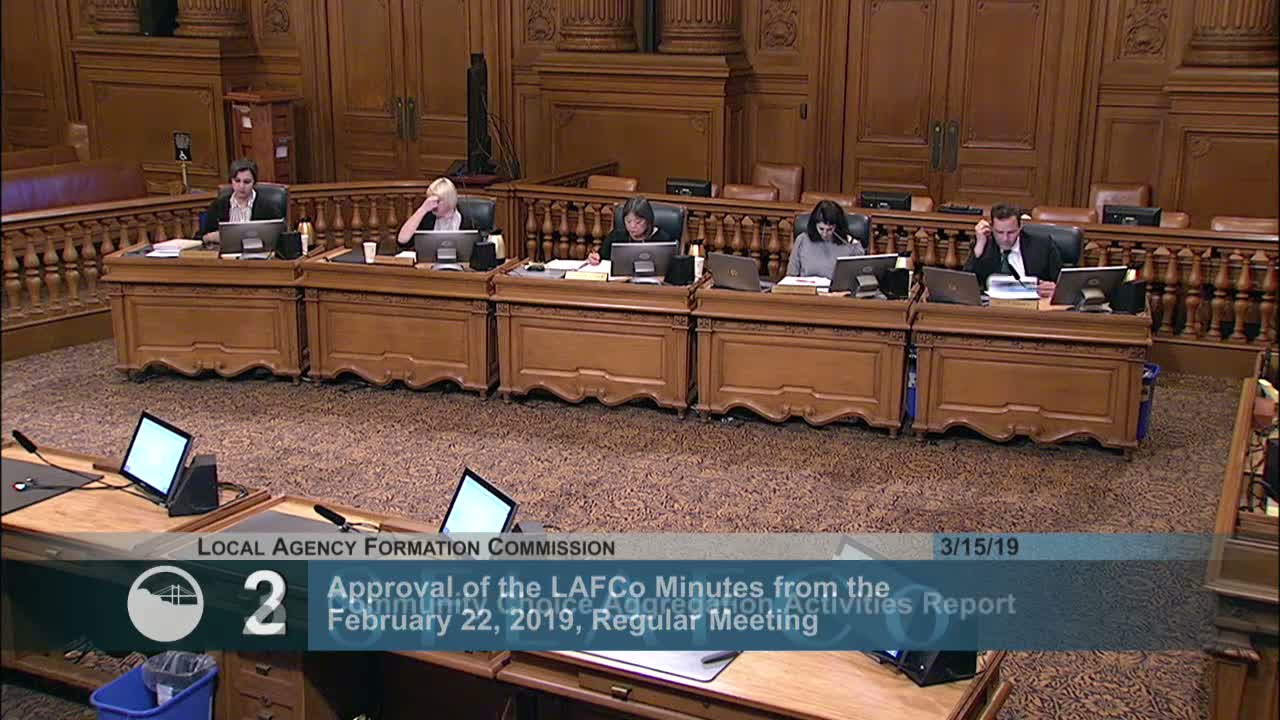
SAN FRANCISCO ' At its March 15 meeting the San Francisco Local Agency Formation Commission heard updates from Clean Power SF and the Department of the Environment on efforts to expand renewable electricity and speed energy efficiency across the city.

Micah (Michael) Hyams, director of the Clean Power SF program at the San Francisco Public Utilities Commission, told commissioners the program is preparing to enroll "more than 250,000 San Francisco accounts" in April and that staff will send over a million notices to customers citywide. Hyams said the opt-out rate was "3.3%" and that the program saw a sharp rise in public interest after notices began: "We had almost 4,000 visits to our Clean Power SF website last week," he said, and call-center volume rose to about 1,200 calls from roughly 240 the prior week.

Why it matters: Increasing enrollment and visibility affects the program's revenue and the city's ability to meet climate goals by shifting electricity away from fossil sources. Hyams highlighted outreach plans including Muni ad wraps and community events to encourage residents to "opt up" to Clean Power SF's higher-renewable "super green" product; he reported more than 300 new super-green sign-ups in one week, a roughly 7% weekly increase.

Commissioners and public commenters raised concerns about the Power Charge Indifference Adjustment (PCIA), the exit fee embedded in PG&E rates. Hyams explained the PCIA remains part of customers'bills when they move to a community-choice program and said enrolled CCA customers "will be contributing, approximately $80,000,000 a year" in PCIA collections. (A larger generation-revenue figure given during the presentation appears garbled in the transcript and has been omitted pending verification.) Public commenter Eric Brooks said utilities could "game the system" by buying long-term contracts that raise PCIA and urged vigilance; he also flagged pending state legislation including AB 56 and bills described in the transcript as related to private direct access.

Department of the Environment Director Debbie Raphael reported the city has reduced greenhouse-gas emissions roughly 30% below 1990 levels (based on 2016 data, with 2017 numbers to be published). Raphael said much of that decline comes from cleaner electricity supplies and Clean Power SF's generation mix, which she described as "91% to 93% greenhouse-gas free," with wind and hydro making up large shares. She said transportation fuels and natural gas in buildings remain the largest remaining sources.

Raphael emphasized energy efficiency as a priority and described two main local programs: Energy Watch (a local-government partnership funded via the public-purpose charge) and BayREN (the Bay Area Regional Energy Network). She said San Francisco receives roughly $6 million annually from ratepayer-funded public-purpose programs and that the city has funneled roughly $30 million through these initiatives to date, supporting thousands of projects and measures such as incentives, audits and a microloan pilot in partnership with Mission Asset Fund to help small businesses and multifamily properties bridge financing gaps.

Raphael said SB 350 (2015) has had unintended consequences on local programs by increasing cost-effectiveness requirements, narrowing the regulatory definition of "hard-to-reach" customers and restricting reimbursements for measures (for example, treating LED lighting as baseline). Those changes make it harder to target limited public-purpose funds to the neediest customers, she said. Raphael outlined two paths to more resources: applying for public-purpose funds through the CPUC as some CCAs have done, or using Clean Power SF revenue to support local efficiency and electrification work that would not be subject to SB 350's specific constraints.

Public commenters including Jed Holtzman of 350 Bay Area and other advocates urged LAFCO and city leaders to integrate efficiency with storage, demand response and microgrids and to pursue local policies to accelerate building electrification.

Next steps: Raphael said the department and SFPUC staff will work on a business-plan analysis to determine what it would take for Clean Power SF to administer funds or otherwise support energy-efficiency projects; she also said a new climate action plan update is expected by early 2020. No formal action was taken on these reports at the meeting.