Get Full Government Meeting Transcripts, Videos, & Alerts Forever!
Get email alerts on the Clean Power Sf topic
No spam. Unsubscribe anytime.
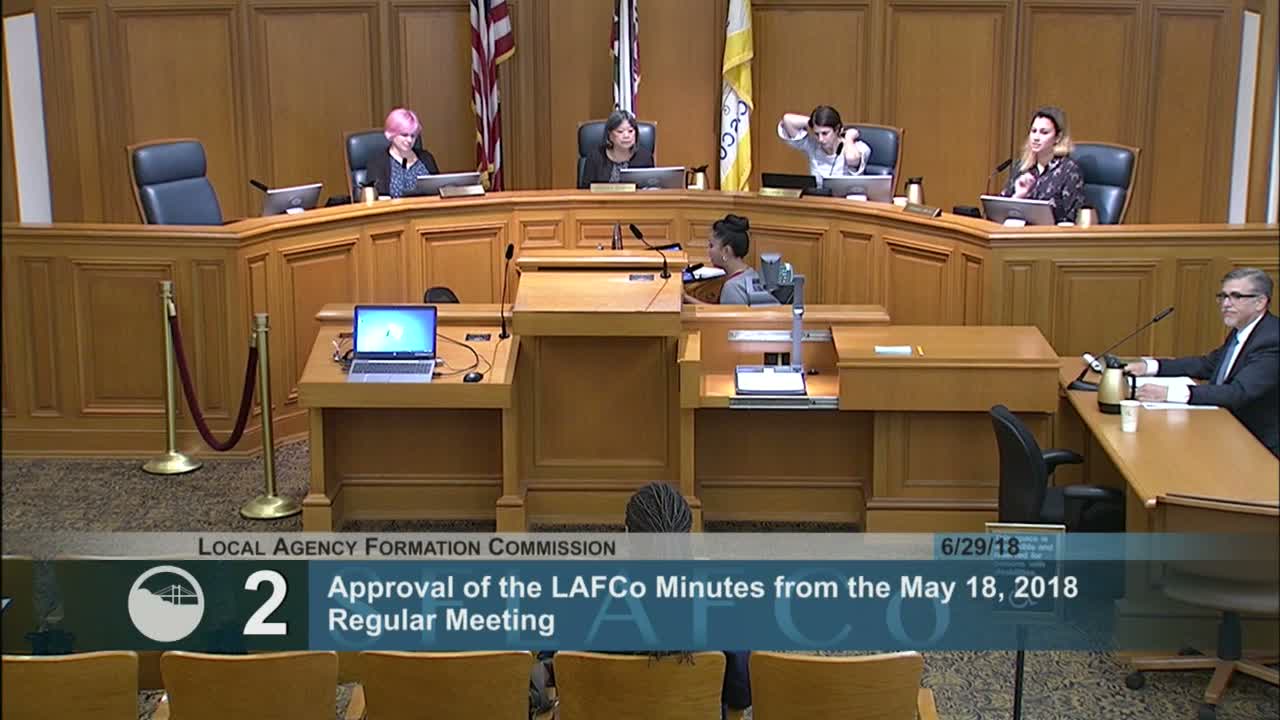
SF LAFCO hears Clean Power SF enrollment, mailer rollout and regulatory risks
Summary
SFPUC director Mike Himes told LAFCO Clean Power SF serves about 81,000 accounts, with a 3.2% opt-out rate and a 4.2% Super Green upgrade rate; about 27,000 accounts are set to switch next month and a joint rate mailer is being sent to roughly 110,000 accounts. Himes flagged CPUC rulemaking and the "green book" report as near-term regulatory risks.
Mike Himes, director of Clean Power SF at the San Francisco Public Utilities Commission, told the San Francisco Local Agency Formation Commission on June 29 that the community choice aggregation program serves roughly 81,000 accounts and continues to enroll new customers.
"We continue at this time to serve about 81,000 accounts," Himes said, adding that the program’s overall opt-out percentage is "3.2 percent" and that the program’s Super Green product has an upgrade rate of about 4.2 percent. Himes said roughly 27,000 accounts will be enrolled beginning next month and that early opt-outs from that enrollment cohort are tracking at about 0.8 percent.
Himes described an annual joint rate mailer, prepared in collaboration with Pacific Gas & Electric and overseen by the California Public Utilities Commission, which will be mailed to roughly 110,000 accounts. The mailer compares price and power-content across PG&E and Clean Power SF products and will be posted on the SFPUC website. "This is the third annual joint rate mailer that Clean Power SF and PG&E have collaborated on," Himes said.
Commissioners asked whether the mailer is easy for customers to parse and whether non-English households are identifiable by PG&E. Himes said the SFPUC has not received complaints indicating widespread confusion and that the utility supplies translated terms and will expand multilingual outreach, including tabling events and adapted brochures.
Himes also outlined regulatory work. He said the PCIA (the exit-fee charged by the investor-owned utility) proceeding concluded hearings in June and that the assigned administrative law judge is expected to publish a proposed decision for comment in August. Himes described the CPUC's May report on customer choice—the so-called "green book"—as raising questions about how the state will meet affordability, decarbonization and reliability goals as customer choice expands. "The report raises questions... and it instead flags the need for unspecified regulatory and legislative change," he said, while urging LAFCO to remain engaged.
Himes told the commission the SFPUC has signed contracts to procure about 147 megawatts of new solar and wind capacity for Clean Power SF customers and said CCAs must and do comply with state resource adequacy requirements.
Public commenters at the meeting urged LAFCO to press city leaders and the SFPUC to oppose state bills they view as threats to community choice. Eric Brooks of San Francisco Clean Energy Advocates told commissioners that recent Sacramento proposals could decimate CCAs; Bruce Wolf and other advocates urged LAFCO to recommend the Board of Supervisors take a formal position.
The Clean Power SF update concluded with commissioners asking staff to continue transparency and to return with legislative updates and materials LAFCO can share with the Board of Supervisors.