Get Full Government Meeting Transcripts, Videos, & Alerts Forever!
Get email alerts on the Public Health topic
No spam. Unsubscribe anytime.
Commission discusses requiring naloxone training and stocking at venues
Summary
Commissioner Thomas urged the commission to explore training and stocking naloxone at entertainment venues amid rising overdose deaths; staff said city and state programs already distribute naloxone and agreed to consult the city attorney on potential code changes or incentives.
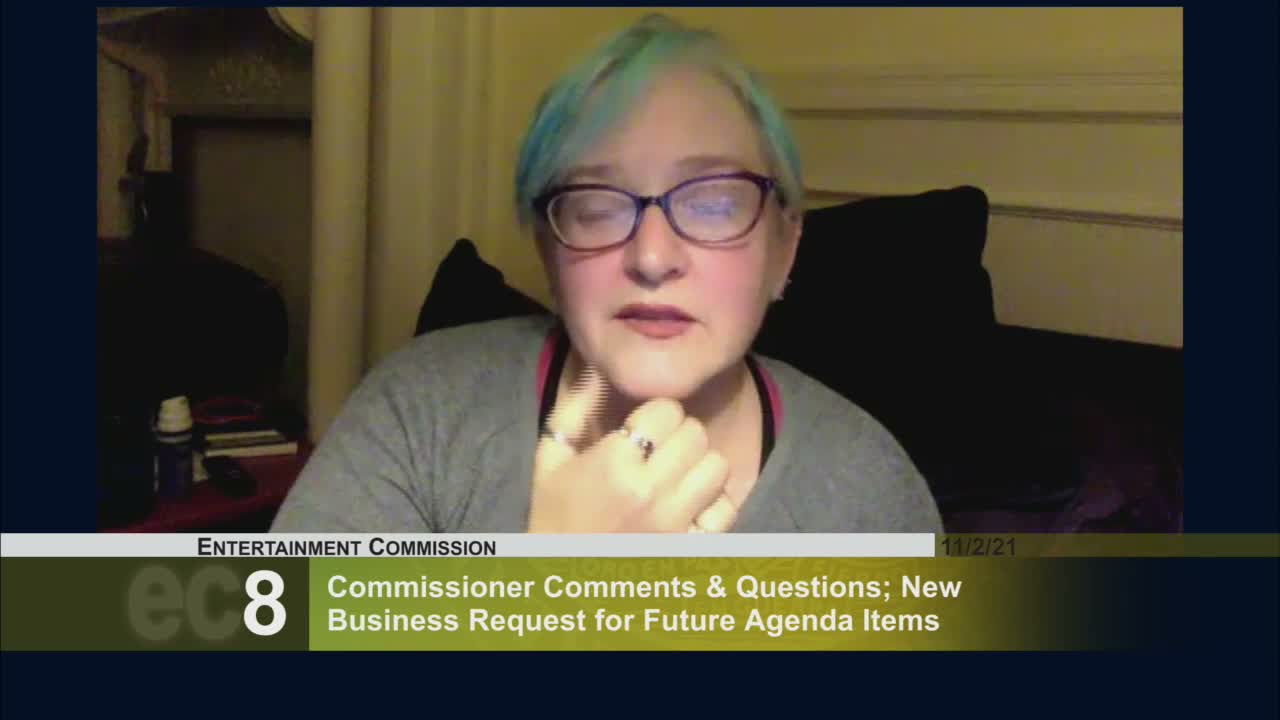
Commissioner Laura Thomas brought the overdose crisis to the commission's attention during the Nov. 2 meeting and urged staff to explore ways to ensure venue staff can recognize and respond to overdoses.
Thomas noted that San Francisco has lost more people to drug overdoses than to COVID-19 since the pandemic began and suggested the commission consider requiring venues to stock naloxone and provide staff training. She referenced prior city-sponsored trainings and suggested coordinating with venue owners and using online training options.
"I'd love to figure out some way that we can engage with venue owners and other members of the nightlife community to ensure that staff are trained, that bars are stocking naloxone," Thomas said.
Staff said the city already distributes free naloxone through community programs and a CBHS pharmacy at 1380 Howard Street and that the state has programs to distribute naloxone to organizations; staff agreed to check with the city attorney on whether the commission can add training or stocking requirements as permit conditions or via code changes. Commissioners discussed balancing new requirements with pandemic recovery burdens on operators and suggested incentives or grant help to offset costs.
The commission did not adopt a formal requirement at the hearing but directed staff to explore legal options and possible incentives.