Get Full Government Meeting Transcripts, Videos, & Alerts Forever!
Get email alerts on the Western Soma Plan topic
No spam. Unsubscribe anytime.
Western SoMa task force presents community plan, urges noise mitigation and preservation of entertainment uses
Summary
The Western SoMa Citizens Planning Task Force presented a draft community plan that would guide zoning and development in South of Market, prioritizing housing north of Harrison and preserving entertainment uses south of Harrison while requiring new development to conduct sound studies and mitigate existing noise.
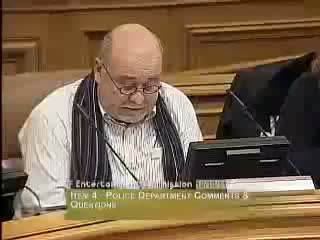
The Western SoMa Citizens Planning Task Force presented its community plan to the Entertainment Commission on Dec. 13, 2011, outlining zoning changes intended to balance new housing with existing nightlife and arts uses. The presenter described a strategy that encourages residential growth north of Harrison Street while preserving space for entertainment, arts and light industry south of Harrison.
The task force said it identified more than a dozen large development sites and proposed residential enclave districts north of Harrison and a service/arts/light-industrial “Sally” district south of Harrison where new housing would be restricted. The plan would allow existing entertainment uses to retain nonconforming status tied to the property so venues could be rebuilt or incorporated into new construction, the presenter said. The task force also proposed requiring sound studies for new residential projects and engineering mitigations to meet Title 24 noise standards in state law, putting the onus on new development to limit intrusion from existing nightlife.
Commissioners and the public questioned where limited live performance (LLP) would be permitted, how buffer zones would work, and whether an entertainment special use district (SUD) was necessary on Eleventh Street. The presenter said the plan includes 200-foot buffer zones south of Harrison in some locations and a survey trigger for noise studies within 900 feet of proposed development. He described a public process that included 66 task force meetings and three town halls and said the environmental impact report would be posted to begin a 30–45 day comment period before Planning Commission review.
Public testimony framed the debate: nightlife producers and the California Music and Culture Association urged protections for queer and small-venue nightlife on Eleventh Street and Folsom Street as vital cultural and economic assets. Musicians and business representatives warned that losing midsize venues would limit the city’s ability to host events and said permitted entertainment helps sustain jobs and community fundraising. Some residents and commissioners pressed for stronger, targeted protections for concentrated nightlife blocks; others noted existing mitigation and grandfather provisions in the draft plan.
The commission did not take action on the plan at the meeting. The presenter said the EIR was expected to proceed to the Planning Commission in January, triggering public review and comment before final consideration by the Board of Supervisors.
Why it matters: the plan aims to shape where new housing and entertainment can coexist and who bears responsibility for mitigating noise impacts, with implications for venue survival, neighborhood character and development rights.
Next steps: the EIR will enter public review (30–45 days), the Planning Department will prepare comment responses, and the Planning Commission will take up the EIR and then the plan before forwarding any approvals to the Board of Supervisors.