Get Full Government Meeting Transcripts, Videos, & Alerts Forever!
Get email alerts on the Clean Power Sf topic
No spam. Unsubscribe anytime.
Debate over Clean Power SF rates and RECs highlights tradeoffs between affordability and local build‑out
Summary
SFPUC staff and CPUC experts briefed the commission on Clean Power SF’s design, procurement options and renewable energy credits; advocates urged rapid local build‑out and CEQA review while commissioners pushed for competitive rates and stronger commitments to local jobs.
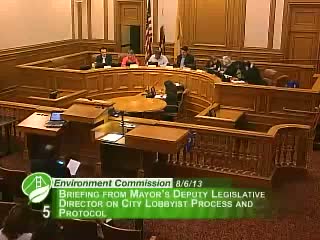
San Francisco commissioners spent the bulk of their Aug. 6 meeting on a lengthy update and debate over Clean Power SF, the city’s community choice aggregation program, as the San Francisco Public Utilities Commission prepares to consider a not‑to‑exceed rate at its Aug. 13 meeting.
Kim Malcolm, director of Clean Power SF in the SFPUC’s Power Enterprise, walked commissioners through the program design and procurement options. Malcolm said the program would aim to offer a 100 percent RPS‑eligible renewable product, that an initial procurement contract under discussion with Shell Energy could cover 20–30 megawatts, and that staff is analyzing whether some scheduling and procurement could be handled in‑house. Malcolm said the program intends to enroll roughly 80,000–90,000 small residential accounts in its first phase and that staff is targeting neighborhoods where surveys show the highest interest.
"We intend to serve 80,000 to 90,000 small residential users in the first phase of the program," Malcolm said.
Malcolm described early build‑out funding constraints — roughly $6–8 million identified for energy‑efficiency and local incentives in the first two years — and an early jobs estimate of approximately 75–90 job‑years directly from that spend, with leveraged effects that could create hundreds more jobs. She said staff is evaluating feed‑in tariff and incentive models for in‑city solar and other small projects and is seeking ways to encourage local hiring.
Ed Randolph of the California Public Utilities Commission’s Energy Division gave a concise primer on renewable energy certificates (RECs): "A REC is simply a compliance tool," he said, explaining bundled versus unbundled RECs and California's ‘‘bucket’’ rules that limit some unbundled REC procurement because of policy goals tied to local air quality, jobs and fuel diversity.
The REC discussion — including a note from staff that the program mix under consideration had shifted from an earlier plan that anticipated 5% unbundled RECs to a substantially larger REC share in recent drafts — triggered sharp public comment and debate.
Labor representatives and IBEW urged that the SFPUC undertake environmental review under CEQA and press for strong local hiring and labor protections in any build‑out. An IBEW representative argued the program could cause foreseeable environmental impacts and urged an EIR before further action. Advocates and community groups, however, said keeping the initial rates competitive is essential to enroll customers and generate the revenue needed for later local build projects; they called for a financial workshop to demonstrate build‑out feasibility and to secure union jobs.
The commission attempted to adopt a statement expressing concern that the current design did not meet the commission’s original goals and urging the SFPUC to work with the Department of the Environment to craft an acceptable program. After extended debate, commissioners attempted a roll call vote; inconsistent vote counts, procedural disagreement and later loss of quorum prevented a binding commission resolution before adjournment.
The SFPUC’s rate vote remains scheduled for Aug. 13; commissioners and public speakers asked the SFPUC to adopt competitive rates to attract customers while ensuring a clear, time‑bound plan to move from REC‑heavy supply to locally produced renewable generation and to prioritize local, union jobs and environmental justice communities.