Get Full Government Meeting Transcripts, Videos, & Alerts Forever!
Get email alerts on the Outreach Messaging topic
No spam. Unsubscribe anytime.
San Francisco environment panel debuts multilingual outreach for bag ban and healthy-homes tips
Summary
City outreach staff showed multilingual materials and explained door‑to‑door, mail and merchant campaigns to prepare restaurants and residents for the Oct. 1 expansion of the checkout-bag ordinance and for healthier indoor cleaning and pest control practices.
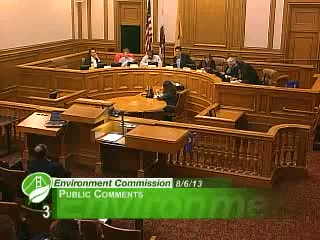
San Francisco’s Commission on the Environment on Aug. 6 heard staff presentations showing the public-facing messages the city will use to prepare businesses and residents for a broader checkout-bag ordinance and for a new healthy‑homes outreach effort.
Department outreach manager Donnie Oliveira told the commission the campaign is using multilingual collateral and a mix of mailings, placards, door‑to‑door visits and phone banking so restaurants and retail establishments understand how the expanded ordinance will affect them. ‘‘We have been mailing to all the restaurants in the city,’’ Oliveira said, and staff said they have visited thousands of businesses and will continue in‑person outreach through October.
Clark Hashut, an outreach presenter from the Department of the Environment, outlined the rule change that will take effect Oct. 1: restaurants will be required to charge a 10¢ minimum for compliant checkout bags — defined as 40% post‑consumer paper, compostable plastic, or reusable washable bags — for takeout and delivery bags. He listed exemptions the ordinance allows, including bags for prescription medications, bulk produce, dry‑cleaning and cases where a bag is necessary to prevent contamination. Hashut said fines for noncompliance range from $100 to $500 and emphasized that the department’s initial work is focused on education rather than enforcement.
‘‘We’ve been out in the community — mailing, visiting, tabling at trade venues and offering multilingual window signs and placards to help businesses comply,’’ Hashut said.
The commission also heard a step‑by‑step public presentation aimed at residents, delivered by the department’s environmental‑justice coordinator, who summarized low‑cost, immediate actions households can take to reduce indoor air pollution and asthma triggers. The presenter warned against combining common cleaners: ‘‘Don’t ever combine bleach and ammonia, as it can create a poisonous gas,’’ she said, and recommended alternatives such as soap and water, baking soda and microfiber cloths.
Commissioners asked how enforcement will be handled; staff replied the current emphasis is on outreach and education and that a separate compliance discussion will follow later. Commissioners also requested translations and culturally competent materials targeted to communities cited frequently during public comment, including Chinatown and Bayview‑Hunters Point. Staff said translated materials already exist in several languages and that outreach will include community canvassing and merchant‑association presentations.
The department plans to continue the outreach through the fall and to report back on lessons learned. The presentations were followed by public comments urging local tailoring of outreach and distribution of flyers to accompany community presentations.