Get Full Government Meeting Transcripts, Videos, & Alerts Forever!
Get email alerts on the Refuse Rates topic
No spam. Unsubscribe anytime.
Ethics commission endorses controller's recommendations after report on refuse rate setting and Recology settlement
Summary
The San Francisco Ethics Commission unanimously endorsed the controller's April preliminary assessment of the city's refuse rate-setting process, urged implementation of several transparency and oversight reforms and asked staff to investigate how Recology official Paul Giusti was appointed to a city advisory body following FBI allegations and a large settlement.
The San Francisco Ethics Commission on a unanimous vote endorsed the controller's April 14 preliminary assessment of the city's refuse rate-setting process and asked city officials to implement the report's recommendations to strengthen transparency and controls.
The commission's action followed a presentation from the controller's office, which outlined findings tied to the 2017 rate-setting cycle and a related settlement with Recology. Mark De La Rosa, acting director of audits for the controller's office, told commissioners that the Board of Supervisors had approved settlement amounts totaling about $94.6 million for ratepayer restitution and roughly $7.0 million in civil penalties, as of Tuesday, May 11.
The report traces the root of the 2017 error to an omission: revenues from the zero-waste incentive and impound accounts were excluded from the weight application, producing a recommended rate increase of roughly 14 percent when including all revenues would have supported an increase closer to 7 percent. "The main driver of the error was that the revenue paid by ratepayers for the zero-waste incentive and impound accounts were excluded from the weight application when it should not have been," the report says.
Auditors recommended a series of reforms to prevent similar mistakes: reassess whether the 1932 refuse collection and disposal initiative ordinance still serves ratepayers, clarify and codify the responsibilities and limits of the public works director and the rate board (particularly after Proposition B's changes), require the refuse company to submit audited financial statements and reconciliations, post quarterly and annual rate reports in a timely manner, analyze cost-of-living adjustments on actual results, and require independent rate analyses that include comparisons with other jurisdictions.
Commissioners pressed the controller's team on whether structural changes would require voter approval. The controller's office said changes to the 1932 ordinance would require voter approval and noted Proposition A (2012) as a prior example of a voter initiative proposing competitive solicitation for residential refuse. Commissioners also asked about the role and independence of the ratepayer advocate and whether consultants and rate analysts were competitively procured; staff said consultants were hired through standard city contracting processes and the ratepayer advocate had been solicited competitively.
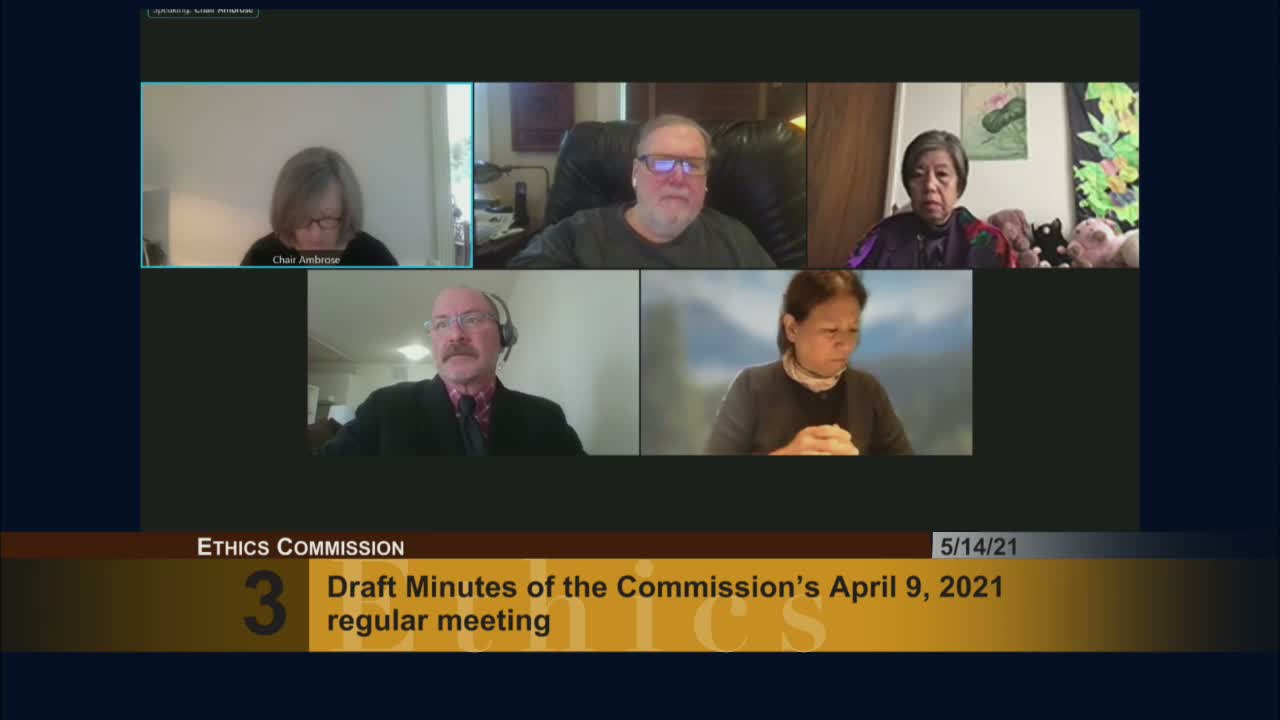
After the presentation and Q&A, Chair Ambrose moved that the commission send a communication to the mayor, the city administrator, the controller and the head of the San Francisco Public Utilities Commission endorsing the controller's recommendations and asking to be advised which entity will lead implementation and for regular updates. The motion passed unanimously, 5-0.
Commissioner Bush separately moved, and the commission approved unanimously, a staff request that the ethics commission investigator and the city attorney inquire into who appointed Paul Giusti to a city advisory board, what his duties were, and whether his appointment or duties related to former Public Works Director Mohammed Nuru in light of allegations described in the FBI affidavit and the controller's report.
What happens next: the commission asked staff to draft the endorsement letter and to report back on the investigation into Mr. Giusti's appointment. The controller's office said the recommendations could be pursued by executive or legislative proposals and that some reforms may ultimately require voter consideration.