Get Full Government Meeting Transcripts, Videos, & Alerts Forever!
Get email alerts on the Prop C Regulations topic
No spam. Unsubscribe anytime.
Nonprofits, lawyers urge pause on Prop C rules, warn internal‑time reporting would burden advocacy
Summary
At a lengthy public hearing, nonprofit groups, attorneys and advocates told the Ethics Commission that proposed implementing regulations for Proposition C—particularly counting internal staff time toward a $2,500 monthly expenditure‑lobbyist threshold—would impose heavy administrative burdens and chill grassroots advocacy. Commissioners asked staff to refine the draft and schedule further outreach.
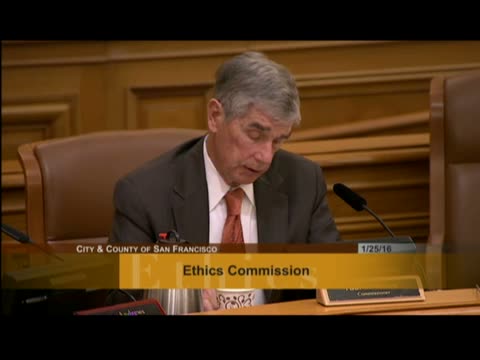
The San Francisco Ethics Commission took public testimony Jan. 25 on a first draft of implementing regulations for Proposition C, the voter‑approved measure that creates a new category of “expenditure lobbyists.” Staff presented draft language addressing definitions, a $2,500 monthly threshold, timing rules for when expenditures count, and whether internal staff time should be pro‑rated and reported.
Staff said key open questions include (1) whether a payment counts when it is incurred or when the related communication urging others to lobby is sent; (2) a 12‑month look‑back presumption tying preparatory work (research or reports) to later communications; and (3) whether internal staff time should count toward the threshold or only external payments to vendors. Commissioners asked staff to clarify those mechanics while preserving the ordinance’s transparency goals.
Scores of nonprofit leaders and legal advisers urged the commission not to finalize the draft without additional interested‑persons meetings. “Counting internal staff time toward the $2,500 monthly threshold would create an impossible tracking burden for many small nonprofits,” said Anita Mayo of a private law firm advising clients. Community‑based organizations warned the draft could convert routine advocacy and client education into reportable expenditure lobbying, chilling efforts by parents and tenants to petition local boards.
Several speakers proposed narrowing the drafting approach: focus on external payments for third‑party ads, transportation and consultant fees; tie the $2,500 to a single legislative or administrative matter rather than aggregate activity across issues; shorten the look‑back window for preparatory research; and clarify that assistance to individuals in enforcement or casework is not intended to be covered.
Commissioners expressed concern about the administrative complexity of pro‑rata salary calculations and about the ongoing monthly reporting burden implied by a registration model. Staff said the draft was intended as an opening for discussion and recommended more public engagement; commissioners signaled they would likely return to the item on Feb. 22 after additional outreach.
No vote was taken. Commissioners asked staff to produce revised language that better distinguishes external payments from internal program work, clarifies timing for reporting, and provides more concrete examples to reduce uncertainty before any regulatory adoption.