Get Full Government Meeting Transcripts, Videos, & Alerts Forever!
Get email alerts on the Lobbying Transparency topic
No spam. Unsubscribe anytime.
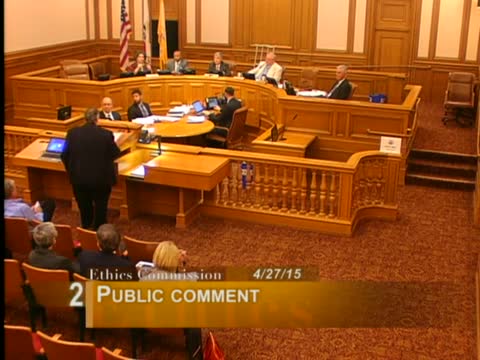
Public activists press Ethics Commission to place expenditure-lobbyist measure on ballot
Summary
Multiple speakers urged the Ethics Commission to reinstate reporting of "expenditure" lobbyists dropped in 2010, citing Airbnb filings and poll results Friends of Ethics provided; commissioners noted staff bandwidth and legal deadlines for ballot placement.
A coalition of public speakers urged the San Francisco Ethics Commission during public comment to put a measure on this year's ballot restoring reporting requirements for "expenditure" lobbyists ' those who pay to influence the public who then contact City Hall ' a category removed from the city's ordinance around 2010.
Speakers from Friends of Ethics and others, including Larry Bush, Bob Planthold, Mark Solomon and long-time attendees who identified themselves by name, said a recent poll shows public support for additional disclosure and pointed to filings by companies such as Airbnb as evidence of significant outside spending and outreach that the current code does not capture. "It went into effect because they changed the definition of lobbyist to be a person who makes a contact to city hall," Larry Bush said, explaining how the earlier rule excluded expenditure lobbyists.
Why it matters: Reinstating expenditure-lobbyist reporting would expand disclosure of who is paying for public outreach intended to influence city decision-makers and could change the public's ability to trace influence in land use and regulatory fights. Speakers urged the Commission to act quickly because the city attorney told Friends of Ethics there is a July 31 deadline to submit ballot language for this cycle.
Commission response: Chair Rennie acknowledged the request and said he intended to act to some degree but cautioned staff capacity and legal drafting constraints could push work into the next ballot cycle. Commissioners suggested special meetings and staff assistance could be used; several public commenters offered to help draft language and provide polling data.
What's next: Commissioners asked staff to explore timing, legal form and whether a special meeting or referral to the city attorney could meet the July ballot deadline. The Commission did not place the measure on the ballot that night but took the public request under advisement and indicated further discussion was coming.