Get Full Government Meeting Transcripts, Videos, & Alerts Forever!
Get email alerts on the Sunshine Referral topic
No spam. Unsubscribe anytime.
Ethics Commission finds no basis to charge Executive Director in Sunshine referral after contested hearing
Summary
After a public hearing prompted by a Sunshine Ordinance Task Force referral, the San Francisco Ethics Commission voted to find no basis to conclude Executive Director John St. Croix violated the ordinance, rejecting claims of an adjudicatory conflict and privilege waiver. Public speakers and commissioners debated enforcement, transparency and prior referrals.
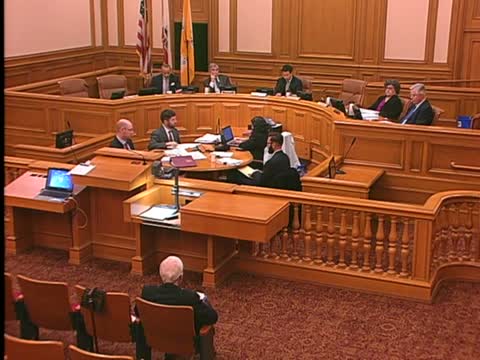
The San Francisco Ethics Commission voted to find no basis to conclude Executive Director John St. Croix violated the Sunshine Ordinance following a contested hearing and public comment.
The matter arose from a Chapter 2 referral from the Sunshine Ordinance Task Force concerning allegations that staff withheld responsive records and improperly relied on attorney-client privilege. John St. Croix, the commission’s executive director, told commissioners staff had reviewed documents and, in camera with the City Attorney’s office, determined which records were not disclosable. "I accepted the recommendation of the staff and the city attorney," St. Croix said, adding that he later reviewed the documents after litigation was filed.
Alan Grossman, whose memorandum and earlier litigation underlie the referral, urged the commission not to hear the case because he said it presented an institutional conflict of interest and described a decade-long failure to enforce task force referrals. "The trust given to the commission to support and enforce public access in San Francisco is broken," Grossman said in public comment.
City Attorney counsel told the commission it did not have a disqualifying conflict, explaining that the decision to withhold records had been a staff-level determination and that the charter permits staff to handle day-to-day operational decisions. The city attorney also noted the Court of Appeal had addressed related privilege questions and the Supreme Court declined review.
Commissioners questioned timing and who reviewed withheld records. Commissioner Keane said his remarks praising a complainant’s perseverance had been misread and that he intended to highlight the burden complainants face. The commission then considered a motion by Commissioner Rennie stating there was no basis to find the executive director violated his obligations on the Chapter 2 referral. The motion was seconded and approved by the commissioners with an "Aye" vote.
The commission’s action disposed of the referral at the meeting, but multiple public commenters and the task force participants urged ongoing attention to open-government enforcement. Commissioners asked staff to follow up on outstanding task force recommendations and bring back analyses of items the commission previously requested staff to draft.
The commission announced the motion passed and moved on to related agenda items; it did not take additional enforcement steps on the referral at that meeting.