Get Full Government Meeting Transcripts, Videos, & Alerts Forever!
Get email alerts on the Open Records topic
No spam. Unsubscribe anytime.
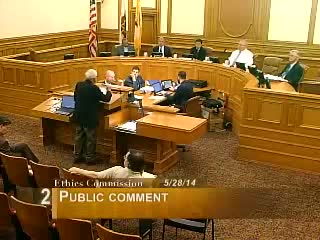
Public criticizes Ethics Commission's handling of Grossman lawsuit; commissioners postpone discussion
Summary
Public commenters accused Executive Director John St. Croix of acting without Commission authorization in Grossman v. St. Croix and pressed the Ethics Commission to avoid closed-session secrecy; the Commission postponed substantive action to the next month to allow posting of non-privileged documents.
Members of the public told the San Francisco Ethics Commission on May 28 that Executive Director John St. Croix had acted improperly in the litigation identified as Grossman v. St. Croix and urged the panel to discuss the case in open session or provide public access to non-privileged materials.
Alan Grossman, who said he was the original petitioner in the litigation agendized as item 4, criticized the executive director's approach: "Mr. St. Croix's hostility to open government is well known," Grossman said, and he recounted that St. Croix had not read or counted records the task force had ordered disclosed. Multiple speakers argued St. Croix repeatedly declined to follow Sunshine Task Force referrals and had appealed a superior court finding that some records were disclosable.
Speakers including Ray Hartz (San Francisco Open Government), Hope Johnson (former chair of the Sunshine Ordinance Task Force), Patrick Manette Shaw and others pressed the Commission over agenda wording and attachments, arguing the published description of item 4 did not meet Sunshine Ordinance requirements and that non-privileged documents distributed to commissioners must be attached to the public packet. Several commenters said the executive director lacked authority to initiate or pursue litigation without the Commission's prior authorization.
Commissioners heard the public objections and discussed whether documents distributed to commissioners had been posted. Some commissioners recommended postponing the item to allow the public access to non-privileged materials. After debate on whether the absence of attachments violated the Sunshine Ordinance, the chair ruled to put the Grossman litigation matter over to the next month's meeting so non-privileged documents can be posted and made available.
Commissioner Keane stated that he intended to vote against any closed session on the matter and said he had requested appellate briefs from the court of appeal to review the history. The Commission also noted that if documents existed that were not included in the public packet, posting them would be necessary to avoid a separate sunshine violation.
The Commission did not take substantive action on the litigation at this meeting; it postponed the matter and indicated it will revisit the item after non-privileged materials are posted for public review.