Get Full Government Meeting Transcripts, Videos, & Alerts Forever!
Get email alerts on the Ethics Commission Referral Policy topic
No spam. Unsubscribe anytime.
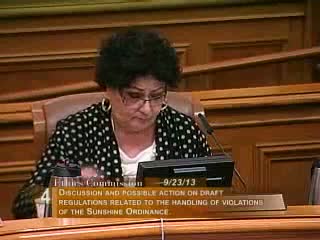
Public and commissioners spar over draft rules that could limit commission review of complaints against its own staff
Summary
The Ethics Commission debated draft regulations that would return complaints about the commission or staff to other agencies (district attorney/attorney general) rather than investigate internally; public speakers warned this would deny complainants an independent hearing and suggested alternatives such as peer review or hybrid protocols.
The San Francisco Ethics Commission spent substantial time debating draft regulations that would change how complaints against the commission or its staff are handled.
Staff proposed that complaints alleging misconduct by the commission or by staff be returned to the referring entity or referred to other agencies (for example, the district attorney or the attorney general) instead of being investigated by the Ethics Commission itself. Staff described the change as a means of avoiding internal conflicts of interest. “If we received a complaint regarding the staff or the commission, we will return the complaint to the referring entity, and take no further action on the matter,” staff said as part of the proposal.
Public commenters and several commissioners strongly opposed the idea, arguing it would deny complainants an effective remedy. Ray Hartz of San Francisco Open Government said the proposal amounted to “an end run by the staff to attempt to exempt themselves from the Sunshine Ordinance findings against them,” and noted the history of referrals that the task force sent to the commission.
Other speakers pointed to statutory language they said required the Ethics Commission to handle some willful violations. Peter Warfield read section 67.34 aloud and said the ordinance states complaints alleging willful violations “shall be handled by the ethics commission.” He urged commissioners not to “cut yourselves out of the scope of your jurisdiction.”
Commissioners considered practical and constitutional constraints. Some said they could recuse when conflicts arose; others worried that referrals to the DA or AG would routinely be declined and leave complainants with no forum. One commissioner suggested creating a protocol in which one or two commissioners would work with the city attorney or a neighboring jurisdiction’s ethics body to secure an independent review.
Staff and several commenters also argued that outside referrals could be practical and have precedent: audit work and occasional cross‑jurisdiction referrals have happened in the past, and staff suggested the DA or Attorney General are listed in the ordinance as appropriate referral bodies.
The commission did not adopt a wholesale change at this meeting; commissioners requested more research and legal analysis and left the proposal under further consideration. The debate was marked by repeated public criticism of the commission’s past handling of Sunshine Task Force referrals and a clear demand from members of the public that the commission retain or design a credible, independent process for complaints involving its own staff or commissioners.