Get Full Government Meeting Transcripts, Videos, & Alerts Forever!
Get email alerts on the Sunshine Disclosure topic
No spam. Unsubscribe anytime.
Ethics Commission orders three emails released in redacted form, declines to find willful Sunshine violation
Summary
The San Francisco Ethics Commission voted to produce three previously withheld pages in redacted form and, after deliberation, unanimously found the delay in disclosure was not a willful violation of the Sunshine Ordinance, citing privilege and investigatory confidentiality.
The San Francisco Ethics Commission voted to produce three pages of emails in redacted form and concluded that the earlier withholding of those records did not amount to a willful violation of the city’s Sunshine Ordinance.
During public comment several residents and whistleblowers accused city staff and appointees of foot-dragging and improper redaction. Patrick Monette Shaw, a longtime complainant, told the commission the records had been effectively withheld for two years and urged release. Ray Hartz, director of San Francisco Open Government, said multiple Sunshine Task Force orders have been ignored and repeated concerns about transparency and whistleblower retaliation.
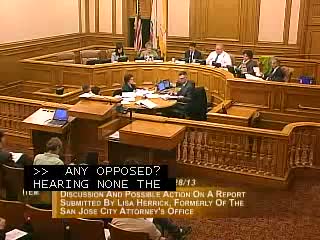
Executive Director Mr. St. Croix and outside counsel Lisa Herrick had recommended producing the pages with redactions for privileged material. At the meeting Mr. St. Croix argued the pages, once heavily redacted, were “virtually meaningless” in their public form, but that producing them honored the public’s right to review any non‑privileged portions. Deputy City Attorney John Gibner explained the legal framework — including charter provisions (F1.110, C3.699-13) and the state official information privilege — that governs whether parts of investigative files may remain confidential.
Chair Hurst said he did not find willfulness after the commission and staff spent time analyzing whether the material fell within recognized privileges: “I do not think it is,” he said during deliberations. Commissioners ultimately moved to produce the three pages as redacted and then voted that the delay in production did not constitute a willful violation.
The decision resolves the narrow procedural question for those pages but leaves broader public concerns about timeliness and the handling of Sunshine Task Force referrals unresolved in the view of several public commenters. The commission’s action will make redacted copies available in the public file; commissioners said they expect the released version will show the limited substantive content that is disclosable.