Get Full Government Meeting Transcripts, Videos, & Alerts Forever!
Get email alerts on the Procedures topic
No spam. Unsubscribe anytime.
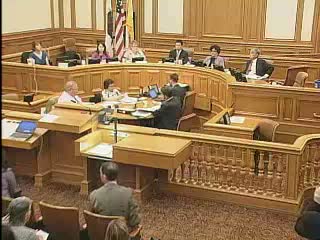
Ethics commission limits live testimony, sets rules and schedule for Mercarini removal hearing
Summary
After hours of argument over scope and relevance, the San Francisco Ethics Commission approved a hybrid procedure — declarations for direct testimony with limited live cross‑examination — set evidentiary deadlines and narrowed the lists of fact and expert witnesses ahead of hearings starting June 19, 2012.
The San Francisco Ethics Commission on May 30 adopted a framework for taking evidence in the removal proceedings filed by Mayor Ed Lee against Sheriff Ross Mercarini, deciding to allow a hybrid mix of written declarations and limited live testimony while reserving the right to subpoena witnesses.
Commissioners said they would use the civil preponderance-of-the-evidence standard for fact‑finding in the administrative removal inquiry rather than a criminal beyond-a-reasonable-doubt standard. After hearing dueling legal briefs and argument, the commission concluded its role is to assess whether specific actions relate to the duties of office or fall below public‑official standards, not to adjudicate new criminal convictions.
On evidentiary practice, the panel agreed that some hearsay evidence will be admissible but that reliance on hearsay alone would carry little weight; objections to particular hearsay offers will be decided case‑by‑case during the hearing. The chair said the commission will permit a process in which direct testimony is submitted by sworn declaration and opposing parties may request live cross-examination. Commissioners emphasized narrowing witness lists so the volunteer commission is not overrun by a large number of declarations or duplicative experts.
Counsel for Sheriff Mercarini, Shepard Koppigan, called the mayor’s witness list “excessively lengthy,” urging that only a few live witnesses be required. The city attorney’s office, represented by Peter Keith, argued the mayor needs factual and expert testimony to show how Mercarini’s conduct relates to duties of the sheriff and to the standards expected of a chief law‑enforcement officer. The parties agreed to exchange witness declarations and to flag which declarants the other side seeks to cross‑examine.
Key deadlines set by the commission: fact‑witness declarations are due June 8; objections and requests to cross‑examine those declarants are due June 13; expert declarations are due June 15 with objections by June 20. The commission tentatively scheduled evidentiary sessions beginning the evening of June 19, with additional dates to be confirmed; the chair will issue subpoenas for out‑of‑agency witnesses when requested by the parties and justified by the schedule.
The panel also addressed discovery disputes. The city told commissioners it is pursuing related discovery in Superior Court (including telephone records and materials generated in the criminal case) and warned those court proceedings could affect what the commission receives in time for the hearings. Commissioners said they would allow the superior‑court process to run its course while proceeding with their own schedule.
The chair said the commission will issue a public summary of the procedural rulings and asked both sides to work to narrow declarations to the most probative material so the hearings can proceed efficiently.
The commission adopted its procedural decisions by voice vote at the meeting and then recessed. The commission’s recommendations, if any, will be forwarded to the Board of Supervisors for its decision on removal.