Get Full Government Meeting Transcripts, Videos, & Alerts Forever!
Get email alerts on the Sunshine Enforcement topic
No spam. Unsubscribe anytime.
Ethics commission, Sunshine Task Force debate who should enforce non‑willful Sunshine Ordinance violations
Summary
At a joint meeting, the Ethics Commission and Sunshine Ordinance Task Force debated whether the commission should hear and enforce non‑willful violations and settled on pursuing an expedited 'show‑cause' enforcement track while staff reworks regulations.
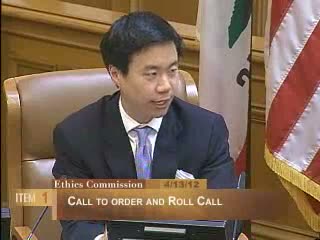
At a joint meeting of the Ethics Commission and the Sunshine Ordinance Task Force, commissioners and task force members debated whether the commission should accept and enforce non‑willful violations of San Francisco’s Sunshine Ordinance and how enforcement should be structured.
The discussion centered on differing readings of ordinance sections 67.34, 67.35 and 67.30(c). Alan Grossman, a pro bono attorney working with the task force, told the meeting the staff’s November draft “was dramatic and shocking” because it reversed policy decisions reached earlier without the policy body present and, in his view, staff “is not authorized and empowered to reverse those decisions; only the Ethics Commission can do that.”
Commission Chair Ben Hur said he supported a procedure that would speed resolution of non‑willful enforcement matters. “What might be helpful is a process that would allow some sort of expedited procedure for non‑willful violations where we would take what the task force found as a finding and put the burden on the other side … to show cause why that order shouldn’t be enforced,” Hur said. Several commissioners agreed that an expedited show‑cause hearing could balance speedy enforcement with due process.
The central legal question before the bodies was interpretive: whether 67.34’s provision treating willful failures by elected officials, department heads, and managerial employees as official misconduct should be read as exclusive, or whether the broader enforcement language in 67.35 and the referral authority in 67.30(c) permits the Ethics Commission to hear non‑willful cases referred by the task force. Commissioners and task force members offered competing readings; some argued the language is ambiguous and requires careful rulemaking.
Task force members described common non‑willful examples (for example, an official who improperly redacted records under an exemption that did not apply). The task force said its typical practice is to issue an order requiring production (for example, “you have 5 days to turn over the information”) and to monitor compliance; if a respondent does not comply, the case may be referred to a municipal body for enforcement.
On procedure, commissioners discussed options for expediting hearings, including rotating single‑commissioner show‑cause hearings that would yield a recommendation to the full commission at its next meeting, or scheduling an expedited hearing at the next regular meeting. Ethics Commission staff signaled support for trying a streamlined approach and said it could be revisited if problems emerge.
No binding vote was taken at the discussion. Chair Hur summarized the tentative direction: the commission will continue to handle alleged willful failures by elected officials, department heads, and managerial city employees; it will accept referrals from the Sunshine Ordinance Task Force for enforcement of orders (willful and non‑willful); and for non‑willful violations the commission will explore an expedited show‑cause hearing process and consult the City Attorney’s office about enforceable remedies and penalties. Staff will prepare revised regulations or a policy memo for future public consideration.
The meeting closed with direction to return rules to the public record for notice and formal action under the commission’s ordinary regulatory process.