Get Full Government Meeting Transcripts, Videos, & Alerts Forever!
Get email alerts on the Public Health Emergency topic
No spam. Unsubscribe anytime.
San Francisco declares local emergency to bolster coronavirus preparedness
Summary
Mayor London Breed declared a local emergency and city health officials outlined a stepped‑up preparedness posture that includes expanded outreach, staffing flexibility, and coordination with CDC and state agencies; officials said no confirmed San Francisco resident cases existed at the time.
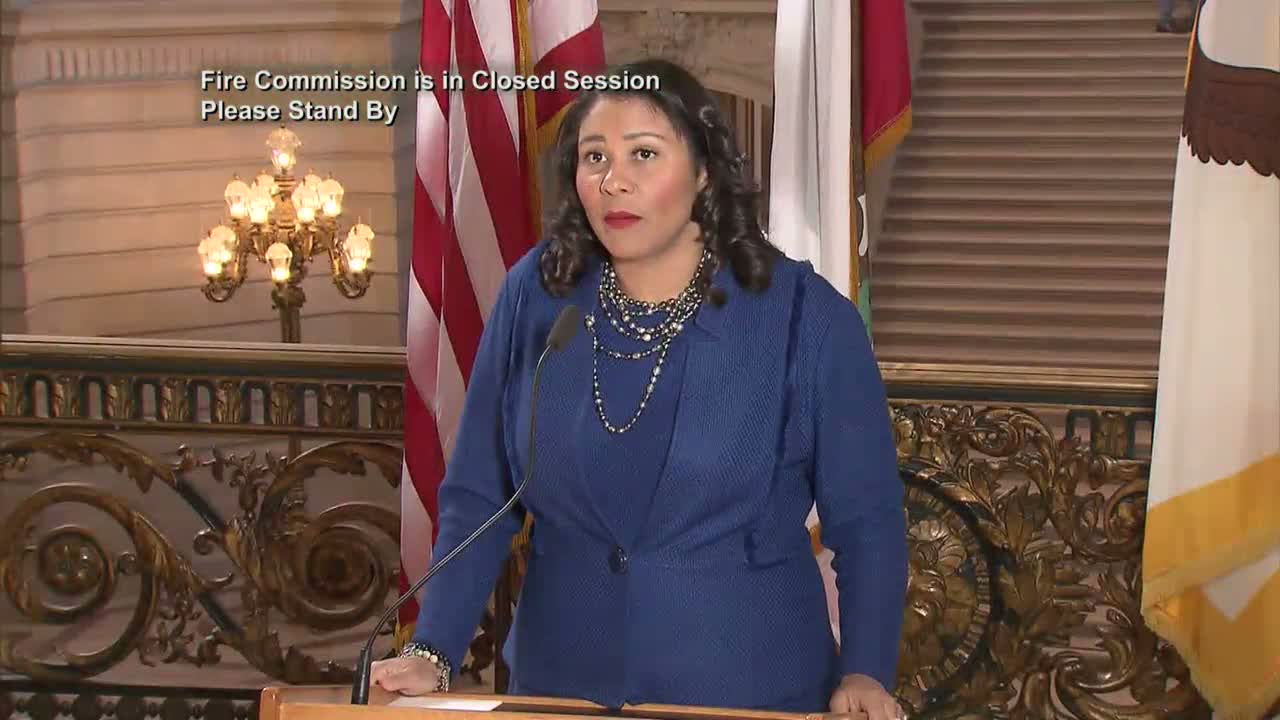
Mayor London Breed announced a local declaration of emergency on Feb. 26 to strengthen San Francisco’s readiness for COVID‑19, stressing that the measure is proactive and intended to streamline staffing, expedite contracts and position the city to receive potential state and federal reimbursement.
Breed said there were no confirmed cases among San Francisco residents at the time and emphasized outreach to immigrant communities, particularly Chinatown, to guard against stigma and encourage appropriate health‑seeking behavior. Dr. Grant Colfax, director of the Department of Public Health, and Health Officer Dr. Tomas Aragon described operational steps: activation of the department’s operations center (activated Jan. 21), opening the emergency operations center (Jan. 27), monitoring hundreds of travelers returning from Mainland China, using public health nurses and clinicians for case management, and preparing shelter and surge plans if needed.
Colfax noted the city had treated three confirmed patients from other counties in San Francisco hospitals but reported no local positives among monitored residents. Aragon said the city has more than 100 negative‑pressure rooms available across the hospital system and that testing was being handled by CDC at the time with state and local testing capacity expected to expand.
Officials repeatedly cautioned that the public health posture emphasized preparedness rather than alarm. They urged basic prevention measures — handwashing, staying home when sick and getting a flu shot — and stressed anti‑discrimination messaging to avoid stigmatizing Asian and immigrant communities. The city established community‑branch coordination in its emergency operations center and emphasized transparent daily communication as the situation evolved.