Get Full Government Meeting Transcripts, Videos, & Alerts Forever!
Get email alerts on the Demolition Ordinance topic
No spam. Unsubscribe anytime.
City staff warn landmark demolition bill could slow routine repairs and raise costs; sponsor says fixes welcome
Summary
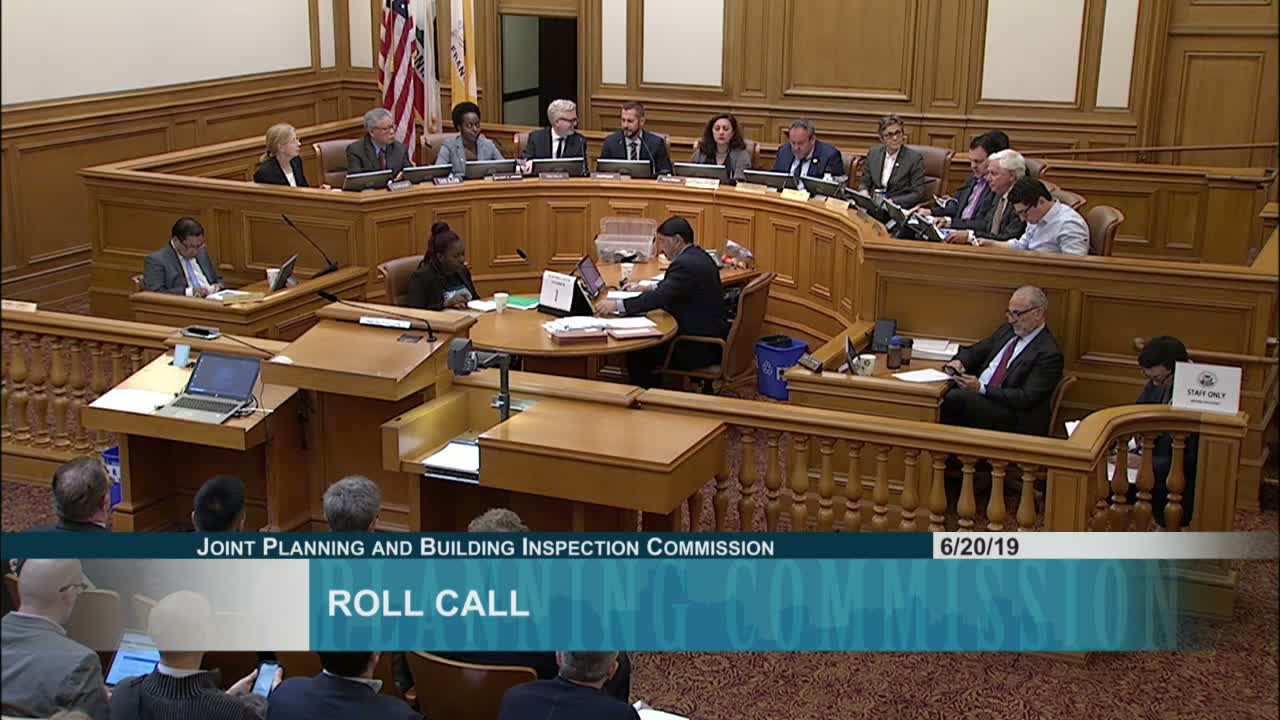
At a June 20 joint hearing, Planning and DBI staff described a draft ordinance that would redefine residential demolition, require structural plans at submittal and expand neighborhood notice; commissioners, builders and tenant advocates debated enforcement, costs and the 7‑year tenant look‑back.
San Francisco planners and building inspectors told a joint commission hearing on June 20 that a proposed ordinance by Supervisor Aaron Peskin to tighten controls on residential demolition, mergers and conversions would change how many routine repairs and additions are processed.
"This is a very complicated piece of legislation," Audrey Marloney of the Planning Department said during the informational presentation. Staff said the draft would expand neighborhood notice packets, require licensed architects and structural drawings at initial submittal, and cross‑reference demolition calculations in the building code — changes they said would increase application costs and processing time.
DBI Chief Building Inspector Patrick O'Riordan told commissioners that thresholds in the draft would treat removal of more than 50 percent of exterior elements, 25 percent of street‑facing surfaces or 75 percent of interior walls/floors as a demolition, which would trigger conditional‑use review. "Those thresholds would pull projects that are currently over‑the‑counter into a much longer process," O'Riordan said.
Sponsor Aaron Peskin framed the proposal as an attempt to stop loss of existing affordable housing and to hold bad actors accountable. "We all know there is a problem relative to definitions of demolition in the code," Peskin said, urging collaborative improvements to the draft.
The hearing was dominated by public comment. Tenant advocates and neighborhood preservation groups generally supported clearer demolition rules, greater notice and tougher penalties. Architects, builders and homeowner advocates warned the draft is too broad and could block ordinary repairs and family expansions, pointing to a case study staff presented in which a simple facade reclad would become a conditional‑use matter under the draft.
Commissioners asked staff for more precise estimates of the workload and cost impacts. Planning staff said they have identified many implementation concerns but had not yet produced comprehensive numbers; DBI said it lacks fully quantified projections and noted that requiring structural calculations at the outset would end most over‑the‑counter reviews.
Commissioners and staff agreed on the need for more targeted changes. Several suggested narrowing the draft to focus on harder‑to‑detect illegal demolitions and serial offenders, adopting pre‑inspection practices in some cases and clarifying exemptions for verified dry‑rot repairs. The sponsor and staff said they welcomed the feedback and expected further revisions before any adoption hearings.
The hearing was informational; no vote was taken. Staff indicated the ordinance would return for further departmental and commission review once revisions and additional impact analysis are prepared.