Get Full Government Meeting Transcripts, Videos, & Alerts Forever!
Get email alerts on the It Project Management topic
No spam. Unsubscribe anytime.
SF Permit project stalls after UAT3; DBI and technology staff plan additional testing and replanning
Summary
Department of Technology project manager Henry Bartley told the commission the SF Permit system completed user-acceptance testing round 3 with an unacceptable rate of severity 1 and 2 issues, prompting replanning, an additional UAT round and added DT staff support; staff said requirements had been frozen and a formal change-control process is in place.
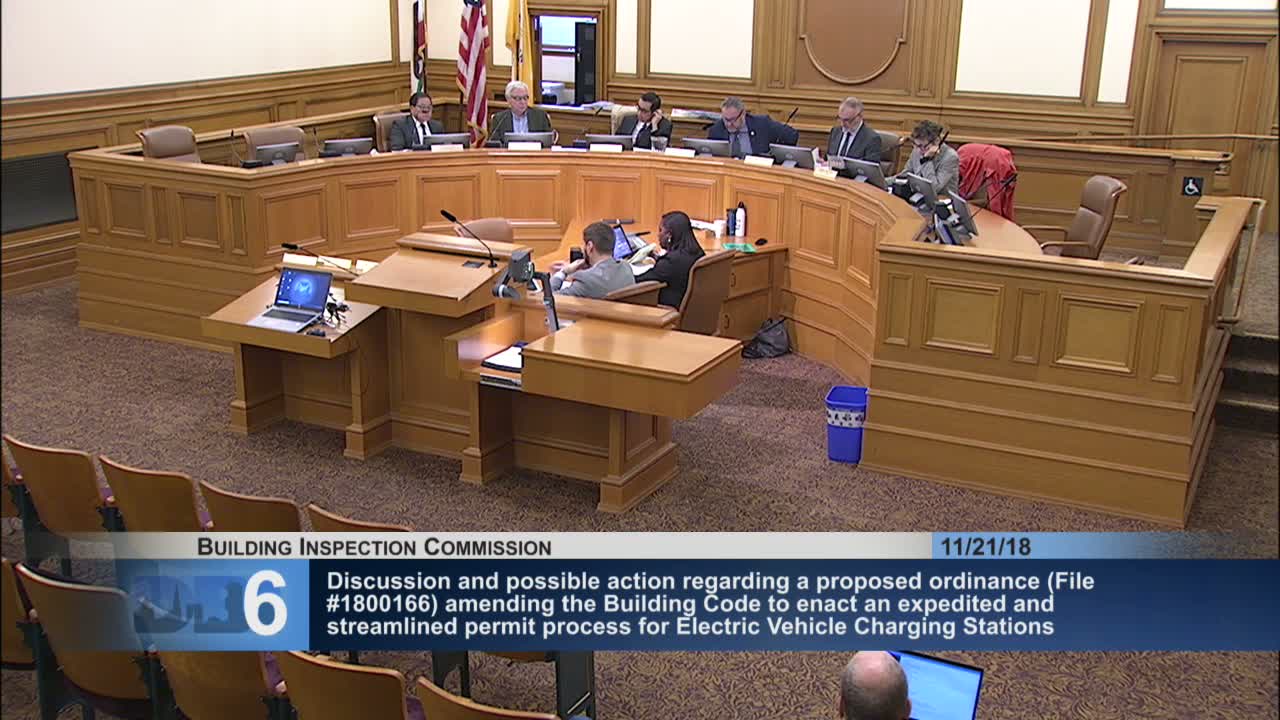
Henry Bartley, project manager with the Department of Technology, told the Building Inspection Commission on Nov. 21 that the SF Permit project completed user-acceptance testing (UAT) round 3 but that the success rate ‘‘was not at all at the quality mark that we expected’’ because of multiple severity 1 and 2 issues.
Bartley said the system is developed and is now in testing, defect-fixing and retesting phases. To address the issues, the project team plans an additional round of user acceptance testing, a replanning of project activities for the Accela development team and the PMO, and added DT staffing to assist retesting. He said Linda Jarrell, the city CIO, provided additional DT staff to support the effort and the team is recruiting another senior project manager.
Commissioners asked for a concise summary of the primary failures. Bartley said failures vary across division-specific use cases and disproportionately involve discrete function points and workflow handling as the project migrates from the legacy PTS platform to the new workflow structure in Accela. He said fee calculation is generally functioning but some edge cases remain.
Public commenter Jerry Dratner asked where failures are concentrated, which resources are most constraining, and whether business processes are changing during testing. Bartley offered to provide an interim report describing the failures in more detail, said DBI staff and vendor Exela have flexed resources as needed and that requirements were frozen prior to the build phase; the project will use a formal change-control process to manage scope changes and an "idea factory" to park noncritical requests.
Bartley said the team will not go live until severity 1 and 2 issues are resolved and that the replanning work should be wrapped up within a week of the meeting, after which the project will schedule the next UAT cycle.
The commission asked staff to return with more detailed reporting on the failures and remediation plans.