Get Full Government Meeting Transcripts, Videos, & Alerts Forever!
Get email alerts on the It Project Management topic
No spam. Unsubscribe anytime.
DBI says new permit-tracking system will miss year‑end go‑live, boosts training and testing
Summary
DBI staff and vendor Exela told the commission the long‑running permits and project‑tracking project won—t launch by year end; milestones remain, user‑acceptance testing is imminent, training days increased from 15 to 36, and staff emphasized data security and outreach plans.
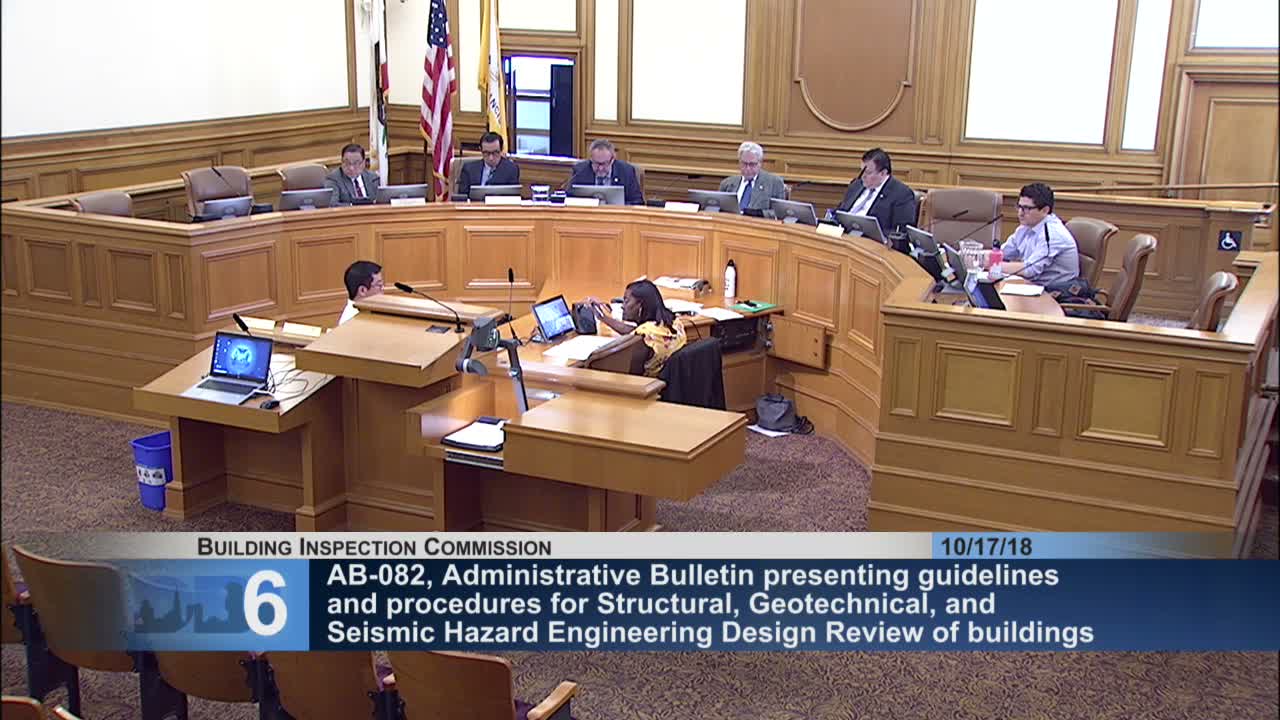
The Building Inspection Commission on Oct. 17 received an update on the department—s new permit and project‑tracking system, the Excela implementation, and was told the go‑live will not occur before year end.
Sean Buhlen, the project manager overseeing the implementation, said teams have completed end‑to‑end demonstration sessions, closed more than 200 defects and have roughly 300 items remaining to retest. "We increased those 15 days to 36 days" of training, Buhlen said, describing a larger training program for staff prior to any public rollout.
Buhlen said the next major milestone is user‑acceptance testing (UAT). "We expect to get there over the course of the next week and a half" and will begin training and share dates only after successful UAT, he said. He added that the project team has adopted a milestone‑by‑milestone approach and will not start training or publishing dates until they are confident the application is ready.
Vendor representatives demonstrated two short videos showing an online solar permit workflow and a records request (3R) report generation. Commissioners asked about large plan file uploads, how review comments will be exchanged, protections for credit card and payment data, and how contractors and neighborhood groups will be trained. Exela officials said uploads work and payments will be processed by third‑party city payment providers so payment data will not be stored in Excela.
Commissioners and staff emphasized outreach. DBI said they plan an outreach and training program for staff, contractors and neighborhood organizations and that commissioners will be invited to trainings before the public rollout. DBI communications staff said outreach materials (including web notices) are in development and DBI is coordinating with the Office of Economic and Workforce Development for neighborhood outreach.
The department characterized the delay as a timing shift caused by substantial testing and defect remediation; staff said progress is measurable and that the project will proceed to training and UAT only when the team is satisfied with the system's readiness.