Get Full Government Meeting Transcripts, Videos, & Alerts Forever!
Get email alerts on the Grants Funding topic
No spam. Unsubscribe anytime.
City briefs council on shrinking federal grants and $18 million pipeline
Summary
Emergency management staff said federal funding streams have contracted—UASI allocations fell from 62 to 31 metropolitan areas and State Homeland Security funding fell about 32%—and that the city currently has nearly $18 million across recent grant cycles in various stages of award and spending.
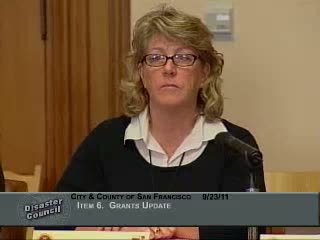
Bijan Karimi, emergency services manager, briefed the Disaster Council on the city’s federal grant portfolio and near-term spending needs. Karimi said grant pools have tightened: "UASI, there used to be 62 identified across the nation, and that was reduced to 31," and "State Homeland Security, that was reduced by 32%."
Karimi explained the three‑year grant cycle, noting that awards often take months to process and that the real spending period tends to fall in the latter 18 months of a three‑year window. He told the council the city had nearly $18,000,000 in the pipeline across several years and grant streams and described steps the grants team is taking to improve consistency, including biannual reviews with departments and a standardized scoring methodology to align projects with available funding.
Council members asked whether current underspending in particular years would affect future competitiveness. Karimi replied that competitiveness is evaluated at closeout, when the grant is judged on whether funds were expended in compliance with program guidelines, and reiterated timing examples (for instance, the 02/2009 cycle would close in 02/2012). He said the team would continue outreach to departments to ensure timely encumbrance and expenditure of awarded funds.
The briefing closed with an invitation for follow‑up questions and requests for more detailed, department‑level spending reports.