Get Full Government Meeting Transcripts, Videos, & Alerts Forever!
Get email alerts on the Candlestick Demolition topic
No spam. Unsubscribe anytime.
Agencies report expanded monitoring and outreach at Candlestick Park demolition as neighbors press health concerns
Summary
DBI, the Department of Public Health, and Bay Area air regulators told the Building Inspection Commission that additional monitors, revised reporting and new community outreach are in place at the Candlestick Park demolition site. Residents urged stronger localized monitoring, language access, and a temporary hold on work until independent studies are completed.
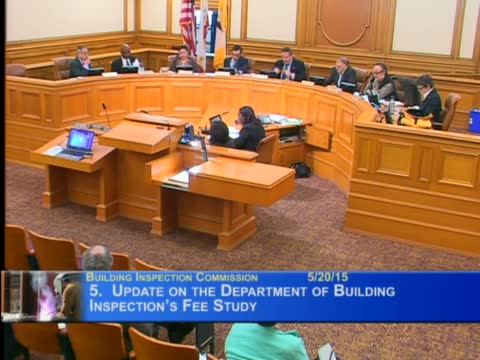
City agencies and community speakers gave a lengthy update May 20 on dust and air monitoring at the Candlestick Park demolition site, describing newly added monitoring equipment, daily spot checks, and improved communication protocols while residents continued to press for more localized data and clearer outreach.
Deputy Director Dan Lowry (DBI) told the commission the department has a building inspector visiting the site daily at varying times to observe compliance with the dust control plan; DBI staff said they are satisfied the contractor is following the plan. Bay Area Air Quality Management District (BAAQMD) inspectors and the Department of Public Health have been present on-site and participating in interagency meetings with the Clean Air Health Alliance and the developer.
Karen Cohen, senior industrial hygienist with the Department of Public Health, described technical and procedural changes that resulted from interagency talks: additional particulate and asbestos monitors have been deployed (including relocation of at least one monitor higher on the hill to better reflect resident elevations), daily spot checks by third‑party inspectors, revised incident and observational reporting forms, and increased dust‑suppression measures such as a "dust boss" misting device and extra end‑of‑shift watering of stockpiles.
Cohen emphasized that monitoring has defined action levels intended to prompt corrective measures rather than to prove long‑term health impacts. She recommended requiring a proactive community meeting and clear, accessible outreach for large projects prior to issuing DBI permits so residents understand roles (developer-contracted consultants versus agency oversight), monitoring outputs, and complaint mechanisms.
Community speakers voiced ongoing concerns. Dr. Tompkins (representing Clean Air Health Alliance) and local resident Marlene Tran said that wind patterns on the hill can produce higher localized exposures and that posted monitoring at the site—s lower elevations may not capture those conditions. Dr. Tompkins asked the commission to call the permit until an independent air study is completed; Marlene Tran requested improved language access for outreach materials and delivery to residents' doors.
DBI and the developer reported adding monitors, publishing monitoring results on an interagency web portal, launching multi‑language door hangers (English, Spanish, Cantonese), and revising protocols so voicemail complaints are transcribed and responded to within 24 hours. BAAQMD and third‑party daily inspectors said their complaint lines and spot checks operate with rapid response times.
Commissioners thanked staff and public-health partners for their additional oversight and asked that monitoring reports near residents be shared with the commission in writing. Staff agreed to provide updates and to continue the interagency tracking document that records actions and outstanding items.
The commission did not take a formal vote to halt work; instead agencies affirmed increased monitoring and community outreach steps and committed to report back on any significant events.