Get Full Government Meeting Transcripts, Videos, & Alerts Forever!
Get email alerts on the Vacant Storefronts And Retrofit topic
No spam. Unsubscribe anytime.
DBI readies enforcement for vacant storefront ordinance; retrofit outreach and in‑law legalization slow to produce permits
Summary
DBI staff described plans to implement a Supervisor Tang ordinance to register vacant commercial storefronts (fee $765/year) and noted outreach for the mandatory seismic retrofit program; legalization of accessory dwelling units has generated many inquiries but few permits to date.
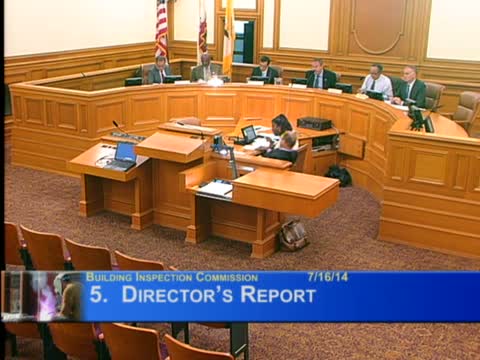
At the July 16 Building Inspection Commission meeting, DBI staff outlined preparations to implement a proposal from Supervisor Tang to expand the city's vacant‑building registration to commercial storefronts and described outreach and enforcement related to mandatory seismic retrofits and legalization of accessory dwelling (in‑law) units.
Bill Stratton, DBI legislative and public affairs staff, said the proposed commercial‑vacancy program would incorporate a mayor's office database of roughly 180 vacant storefronts and require owners to register within 30 days. The proposed registration fee, Stratton said, would be $765 per year while the property remains vacant. Stratton said the ordinance passed the Land Use Committee unanimously and was scheduled for a Board hearing on July 22 with a likely final Board vote on July 29.
“We will be notified for example, the 180 that are on the existing mayor's list and integrating that with our own list,” Stratton said. He added that the first year would focus on community outreach and education before full enforcement.
Stratton also briefed commissioners on mandatory seismic retrofits, noting DBI still has more than 3,000 outstanding screening forms ahead of the Sept. 15 deadline and that staff is preparing multi‑language signage and enforcement procedures. Commissioners repeatedly emphasized the workload that will follow and urged DBI to ensure sufficient staffing to handle a likely late‑season surge in permit activity.
On the legalization of accessory (in‑law) units, Stratton said DBI recorded about 400 public inquiries in the first six weeks and that there were approximately 10 active applications but only one permit issued to date. Commissioners asked whether low permit issuance reflected an education gap or procedural delays; staff said the process requires engaging engineers and architects and that DBI expects to evaluate the program after six months as required by the legislation.
Commissioners raised procedural concerns that longer statutory timelines in some bills (nine months or a year) could undermine shorter notice‑of‑violation windows used by DBI and complicate enforcement; DBI staff said they had discussed these tensions with the sponsor and would have deputy staff present further operational detail.
Next procedural milestones: the Land Use Committee report, board hearings on the vacant‑storefront ordinance (July 22 and likely July 29) and the department's planned outreach through August ahead of enforcement in early September.