Get Full Government Meeting Transcripts, Videos, & Alerts Forever!
Get email alerts on the Property Dispute Paint topic
No spam. Unsubscribe anytime.
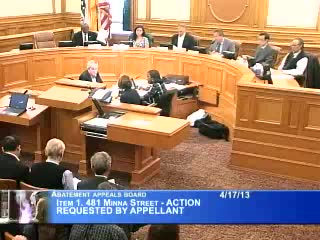
Board delays decision in North Pointe paint dispute, asks parties for certification and access plan
Summary
The Abatement Appeals Board continued the dispute between neighboring homeowners over peeling paint and access to a shared wall, directing the parties to exchange contractor certifications, a written containment and access plan, and a trellis removal/replacement plan before the May hearing.
The Abatement Appeals Board on April 17 continued a dispute over peeling paint at 767 North Pointe and directed both sides to supply three specific items before the board’s next regular meeting in May: contractor and worker certification documentation, a written plan describing how the wall will be accessed and painted (including containment/scaffolding), and a plan for removal and replacement of a trellis that obstructs access.
The case stems from a notice of violation for peeling paint after a neighbor complained that paint chips had migrated from the subject wall. Appellant counsel David May told the board that his client cannot safely access the wall because trellises and landscaping are attached to the neighboring property and the neighbor has refused access; May cited California civil-code language in arguing the law does not require impossibilities of a property owner.
The complainant, Ms. Tsang, said she is willing to allow work by contractors who provide certified worker credentials, liability insurance and identification but demanded concrete documentation before granting access. Contractor Phil Lubin explained the difference between "repair and renovation" and lead abatement and said his company is trained for renovation work; the parties exchanged emails and exhibits showing some documentation had been provided and some had not.
After extended back-and-forth and public comment, the board said it lacked jurisdiction to resolve a boundary dispute but could require objective steps that address public-safety and legal requirements for lead-disturbing work. The board unanimously continued the matter to allow the parties to present the requested evidence and plans at the next meeting.