Get Full Government Meeting Transcripts, Videos, & Alerts Forever!
Get email alerts on the Education Materials topic
No spam. Unsubscribe anytime.
SFUSD board adopts Williams Act textbook sufficiency resolution amid debate over materials tracking
Summary
The San Francisco Unified School District board approved the annual Williams Act resolution certifying district-adopted textbooks are available, while several commissioners and public commenters pressed for clearer tracking to ensure materials and distance-learning resources reach students, especially those with disabilities.
The Board of Education of the San Francisco Unified School District on Oct. 6, 2020 adopted the annual resolution certifying that schools have sufficient state-approved textbooks and instructional materials as required by Education Code Section 60119 (the Williams Act), but the vote exposed tensions about whether the compliance process ensures students actually receive materials during distance learning.
The resolution was introduced after a staff survey of school sites and a presentation from Chief Academic Officer Nicole Priestley verifying that the district’s Williams survey was completed and orders for district-adopted materials had been placed and delivered to school sites. Superintendent Matthews told the board the district will provide follow-up documentation on how schools are distributing materials to families during distance learning.
Why it matters: The Williams process is a state-mandated compliance review of adopted instructional materials. Several commissioners and public commenters said a formal compliance check does not address whether materials are getting into students’ hands or whether supports required by students with disabilities—such as assistive digital licenses or modified formats—are being provided.
Alita Fisher, advocacy chair for the Community Advisory Committee for Special Education, asked board members whether Williams sufficiency includes “appropriately scaffolded and modified” materials for students with disabilities and whether it covers access to digital text-to-speech or multi-sensory literacy licenses used by some learners. Priestley answered that those specific items are not covered by the Williams survey and deferred to special-education staff on the process for addressing those individual needs. Priestley also said schools have continued to distribute materials and will provide tracking information to the board.
Several commissioners framed the resolution as a compliance acceptance rather than a guarantee that instructional materials reach families. Commissioner Collins, a former teacher, said parents care that “kids have books” and urged the board to obtain tracking at the student or parent level rather than only principal-level confirmations. Vice President Lopez and others asked staff to return with concrete tracking instruments for distribution during distance learning.
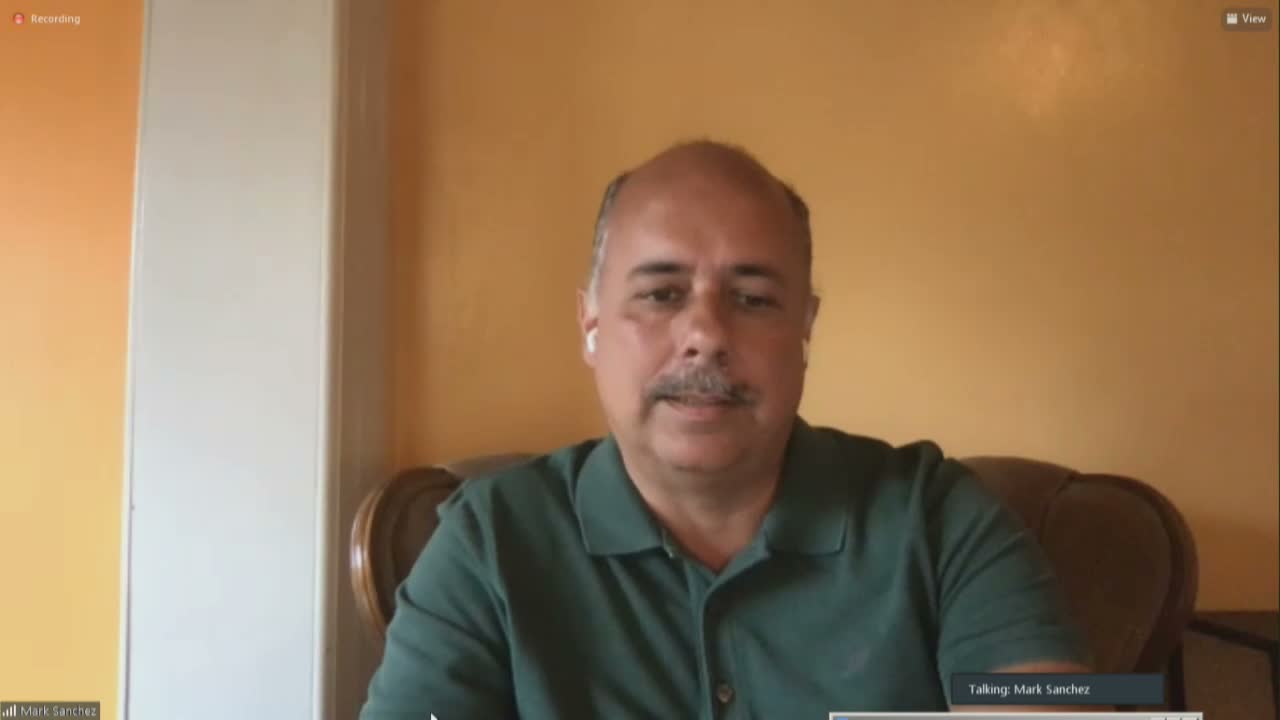
The board conducted a roll-call vote after public comment and discussion; the resolution passed. President Sanchez closed the public hearing and resumed the regular session. No additional districtwide action on expanded reporting was adopted at the hearing, though staff committed to follow up with detailed distribution and tracking information for the board’s review.
What’s next: Staff committed to provide the board with the instruments it uses to track school-level distribution of instructional materials and to report at a future meeting on how those materials are reaching students during distance learning.