Get Full Government Meeting Transcripts, Videos, & Alerts Forever!
Get email alerts on the Complaint Handling topic
No spam. Unsubscribe anytime.
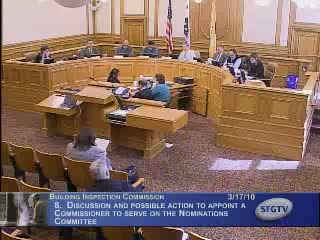
Commission asks DBI for statistics on anonymous complaints after extended debate
Summary
Commissioners pressed DBI for data on anonymous versus named housing complaints and outcomes, asking the department to return with statistics after a broad public debate over resource use, tenant protections and inspector procedures.
Commissioners on March 17 engaged in an extended debate over DBI’s intake and handling of anonymous housing complaints, asking the department for data to assess whether anonymous calls produce a high share of meritless inspections.
Housing Chief Rosemary Bosque and Director Vivian Dade described intake processes: clerical staff triage complaints into the tracking system, assign categories (life‑safety vs. non‑life‑safety) and route cases to district housing inspectors. Staff said response standards require action within one business day for life‑safety complaints and two business days for non‑life‑safety complaints; anonymous complaints often lead to drive‑by inspections and letters to property owners when interior access is not available. In cases alleging ongoing unpermitted work, DBI may refer matters to district building inspectors.
Public commenters — including property managers and tenant advocates — offered contrasting views. Some landlord representatives argued anonymity encourages frivolous complaints and wastes inspector resources; tenant and disability advocates warned that anonymity protects complainants from retaliation. Commissioners requested DBI return to the next agenda with statistics showing the number of anonymous complaints, their disposition, and the frequency of repeated complaints at single properties so the commission could consider policy adjustments.