Get Full Government Meeting Transcripts, Videos, & Alerts Forever!
Get email alerts on the Dbi Budget And Enforcement topic
No spam. Unsubscribe anytime.
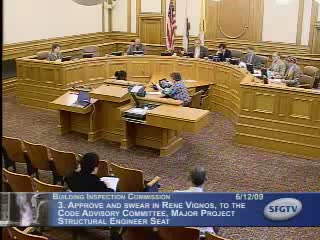
DBI reports budget strain and inspector layoffs; commissioners probe notice-of-violation and abatement process
Summary
Director Day reported modest revenue gains but identified two large pending refunds (~$500,000) and said DBI faces proposed department-wide expense reductions; commissioners and the public pressed staff to clarify how notices of violation, planning referrals and monitoring fees are handled amid inspector cuts.
The San Francisco Department of Building Inspection reported modest revenue growth for May but significant fiscal and staffing pressures that are affecting inspection and code-enforcement work.
Director Day told the commission the May packet shows revenues "have increased a little in the month of May," but she also flagged two newly-identified refund claims tied to large parking-garage projects that will total about $500,000 and will be charged against the current-year funds. Day said she had seen proposed reductions from the Board of Supervisors'budget analysts that total roughly $33,300,000; she also identified particular cuts of about $3,500,000 shown in paperwork commissioners reviewed.
Commissioners and public commenters pressed staff for detail on the scale and effect of layoffs. Director Day reported roughly 94 total reductions in DBI, of which about 30 were construction/plan-check inspectors; the housing inspection unit now has about 21 staff (1 chief housing inspector, 3 senior housing inspectors and 17 regular housing inspectors). Several commenters and contractors said those losses have increased workloads for remaining inspectors and make thorough field work more difficult.
Dennis Carlin, president of the Building Inspectors Association, described inspectors' technical duties and urged restoring staff where possible. "We all work together and we do the best we can to serve this city," Carlin said, calling attention to field challenges and to the need for sensitivity with homeowners and vulnerable residents.
On code enforcement, Chief (Dan Lawrie) explained the NOV (notice of violation) process: complaint investigation, issuance of a first NOV with a time window (24 hours for imminent danger or 30'60 days when plans are required), a second NOV if the first is not addressed, referral to director's hearing and then, if noncompliance continues, possible order of abatement, litigation committee referral and city-attorney action. "When a complaint is generated, we send out a complaint investigator," he said.
Public commenters and structural engineers asked that DBI pause the punitive enforcement clock when an applicant has submitted plans to Planning or when a 311 notification/appeal is pending, to avoid simultaneous enforcement and planning review. Viggo/Rodrigo Santos recommended that "the clock at DBI should stop" once plans are in planning review.
Commissioners asked staff for follow-up information, including an itemized list of interdepartmental expenditure cuts, a breakdown of layoffs between divisions, and the historical rent and surcharge payments for DBI'leased office space. Director Day said staff would compile the requested materials and noted the department has a first budget hearing with analysts next week.
The discussion did not produce a new policy change during this meeting; commissioners asked staff to return with supplemental budget detail and suggested legislative options to recoup monitoring time (e.g., a monthly monitoring fee) to avoid discouraging early voluntary compliance.