Get Full Government Meeting Transcripts, Videos, & Alerts Forever!
Get email alerts on the Dbi Finances topic
No spam. Unsubscribe anytime.
DBI projects $6.1 million shortfall; department to delay parts of permit‑tracking project and pursue staff reductions
Summary
The Department of Building Inspection projects an approximately $6.1 million year‑end deficit driven by a $12.6–12.7M revenue shortfall, prompting delayed MIS/permit‑tracking spending and proposed layoffs; commissioners pressed for a Real Estate Office breakdown of rent and deferred credits.
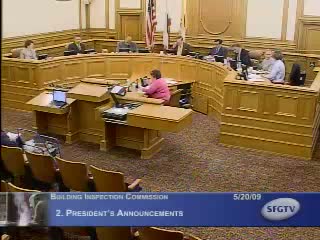
Pamela Levin, Financial Services Manager for the Department of Building Inspection, told the Building Inspection Commission on May 20 that DBI now projects a year‑end deficit of about $6,100,000 driven by a $12.6–12.7 million revenue shortfall and only modest expenditure savings.
"Currently we continue to project a deficit of $6,100,000," Levin said, describing year‑to‑date revenues through April of about $32,400,000, roughly 11% below the same time last year. She said the department now expects to receive approximately 73% of its budgeted revenues.
The department reported year‑to‑date expenditures of about $38.5 million, modestly above last year, and forecast roughly 13% savings against budgeted expenditures if current trends continue. Levin said expected shortfalls are concentrated in apartment license fees and charges for services, and that refunds and insufficient checks could further reduce available funds.
To protect core operations, DBI plans to defer parts of the planned permit‑tracking information system, delaying some hardware purchases and portions of the software customization while proceeding with vendor selection. "We are trying to delay the implementation, the actual work on the customization of the product," Levin said, adding that some license costs typically require an upfront payment.
Levin described other balancing actions: reducing transfers to capital projects by about $1.7 million, revising deferred‑credit calculations, and relying on one‑time fixes such as using money from a historical surcharge account. Staff said roughly $1 million is being transferred back from real‑estate holdings to operations to help the budget this year.
Commissioners pressed for more detail on personnel impacts. Levin said the department still expects staff reductions included in the current budget — a figure cited during the discussion as roughly 88–90 positions overall — with some layoffs delayed to later dates for certain unions and housing inspectors. "Those are still scheduled in this budget to occur in the next before July 1," she said, while adding that timing could change with negotiations.
Several commissioners requested a breakout from the Office of Real Estate showing exactly what DBI pays in rent for the city‑owned 1650/1660 building, and how much of the department's payments go to maintenance, utilities and other centralized costs. Levin said DBI pays approximately $2 million annually in rent for the space.
The commission also discussed recoveries from litigation and a supplemental appropriation for the code enforcement rehabilitation fund; staff cautioned that the supplemental would not be available for operating needs and that litigation proceeds are uncertain. DBI said it will return next month with updated figures.
What happens next: DBI will provide additional documentation requested by the commission, including a Real Estate Office breakdown of rent obligations and a follow‑up on how deferring permit‑tracking components affects implementation timelines and vendor contracting.