Get Full Government Meeting Transcripts, Videos, & Alerts Forever!
Get email alerts on the Dbi Service Improvements topic
No spam. Unsubscribe anytime.
DBI rolls out electronic tracking and a one‑stop counter; pilot shows rapid approvals
Summary
San Francisco Department of Building Inspection began internal MIS upgrades and a Fourth‑Floor one‑stop plan‑check pilot that produced same‑day approvals for roughly 84% of qualifying permits and average waits under 15 minutes, with broader web access and a planned move to adjacent space under discussion.
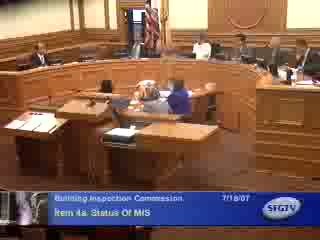
San Francisco Department of Building Inspection Director Esam Hassanen told the commission on July 18 that the department is updating its management information systems and piloting changes intended to speed permit processing and improve customer service.
"We're continuing the process of reviewing our MIS needs," Hassanen said, describing a joint RFQ with the Planning Department and internal modifications that standardize correction sheets, make them legible when printed, and allow staff to issue corrections electronically. He said the change will let staff "online approve each comment individually" and show who approved it and when.
The department also launched an expanded over‑the‑counter plan check on June 18, moved to a larger Fourth‑Floor site and reorganized staffing into mixed teams of inspectors and plan reviewers. Tony Greco, senior building inspector, said the pilot has delivered early results: about 84% of qualifying permit applications containing plans or submitted without plans were approved the same day, and no customer waited more than 15 minutes in the early weeks.
"A customer can come in, have one sheet of revision, they can come back in an hour later," Greco said, noting computers and individual logins track each review. He said the operation separates intake and over‑the‑counter review to avoid previous bottlenecks and provides staff with a persistent record of plan‑check comments.
Commissioners pressed on access and security. Hassanen said the current phase is an internal electronic service for staff and that future phases would add web‑based customer access; he flagged legal questions about whether in‑progress corrections are public records. On authentication, he said staff have unique user IDs and passwords so approvals can be attributed reliably to individuals.
Hassanen also said staff are preparing to implement the QMatic customer‑tracking system and plan to pursue moving the permit center into adjacent space at 1640–1650 Mission Streets when feasible. He noted cost estimates for a full reconfiguration of the existing building run roughly $1.2 million to $1.344 million per floor and that the city will phase any large‑scale remodel as a multi‑year effort.
The commission asked for follow‑up data. Greco said customer surveys and weekly reports on over‑the‑counter throughput are being collected and the department will present more comprehensive metrics at the next meeting once several months of data are available.
The director framed the MIS and one‑stop changes as part of a broader business process reengineering effort intended to reduce duplications, shorten handoffs and provide clearer customer guidance.