Get Full Government Meeting Transcripts, Videos, & Alerts Forever!
Get email alerts on the Public Health Tobacco topic
No spam. Unsubscribe anytime.
SF school board endorses Supervisors' ordinance to ban flavored tobacco sales
Summary
The San Francisco Board of Education voted unanimously to add its support to a Board of Supervisors ordinance that would prohibit sale of flavored tobacco products, citing high youth e'cigarette use and targeted marketing; health advocates and Supervisor Cohen's office urged passage.
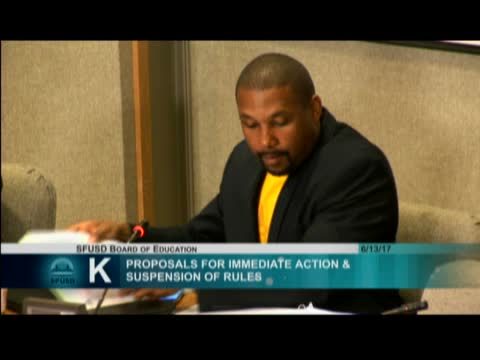
The San Francisco Board of Education on June 13 voted to add its name to a proposed Board of Supervisors ordinance that would ban the sale or distribution of flavored tobacco products in the city, including menthol cigarettes and flavored e'liquids.
Presenters from public health groups and Supervisor Malia Cohen's office urged the board to support the legislation. Randy Wong of Breathe California told commissioners that current district survey data show 23 percent of the district's 11th graders had tried an e'cigarette, and he emphasized the role flavors play in recruiting youth to tobacco products.
Supervisor Cohen's legislative aide described the ordinance as an evidence'based public health measure that targets industry practices that have historically marketed flavored tobacco to young people and vulnerable populations. "Flavored tobacco products are widely considered by health experts as starter products," she said, arguing that menthol and fruit'flavored items mask harsh tobacco tastes and make initiation more likely.
After public comment and board discussion, President Walton called for a roll'call vote to have the board formally support the supervisors' ordinance. The roll call recorded all present commissioners voting to add the board's support. The resolution was introduced and the board asked for its name to be included among supporters.
What happens next: the board's endorsement will be forwarded to the Board of Supervisors as part of the local policymaking process; parallel public hearings and Supervisor-led votes will determine whether the ordinance becomes city law.