Get Full Government Meeting Transcripts, Videos, & Alerts Forever!
Get email alerts on the African American Achievement topic
No spam. Unsubscribe anytime.
District unveils midyear plan for African American achievement; community urges faster action
Summary
District leaders presented the African American Achievement and Leadership Initiative (AAALI) midyear update, including pilot 'village roundtables' and a Google.org $1,000,000 college‑readiness commitment; community speakers urged urgency on discipline, data transparency and school supports.
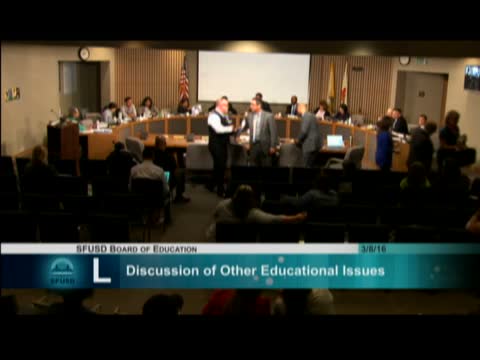
San Francisco — The San Francisco Unified School District presented a midyear update on the African American Achievement and Leadership Initiative on March 8, outlining pilots and data and drawing robust public response calling for more urgency and data transparency.
What staff presented: Landon Dickey, leading the initiative, said the district counts about 4,300 African American students and noted low proficiency on last year’s district SBAC results: 18% proficient in English language arts and 11% in math for African American students. The AAALI has launched two core efforts: a 'village roundtable' pilot (six identified schools, with five students each enrolled initially) to create individualized learning plans and a postsecondary pathway focused on increasing college readiness, persistence, and career entry for African American students.
Philanthropic support and tools: Dickey announced a new investment from google.org of $1,000,000 over three years to staff college‑affordability advising through a partnership with uAspire and other partners to provide coaching and summer jobs and supports.
Community reaction and board concerns: Community members, pastors, advocacy groups and parents urged the board to accelerate action, push on suspension disparities, and make data more available. Policy advocates asked the district to track suspensions, A–G on‑track rates, and whether alternatives to suspension are being used. Kevin Bogus of Coleman Advocates cited graduation and suspension disparities and pressed the board for immediate action. Several speakers urged connecting African American students to community partners and faith‑based supports.
Board discussion and follow up: Board members asked for transparent progress monitoring and asked staff to surface both site‑level metrics and qualitative evidence of program impact. Chief of Schools Abraham Jimenez described a new African American Progress Monitor tool that will track site metrics monthly and said the district expected the first reports soon. Board members asked for continued engagement with students and community partners and for the initiative to return with more complete data and implementation plans.
Why it matters: Commissioners framed the initiative as a top priority. Presenters noted this is a long‑term effort to reverse decades of disparities; community speakers said the pace must be faster and called for concrete school‑level investments and accountability.