Get Full Government Meeting Transcripts, Videos, & Alerts Forever!
Get email alerts on the Enrollment Projections topic
No spam. Unsubscribe anytime.
SFUSD demographers warn of thousands of new students by 2023; Bayview among fastest-growing areas
Summary
A district presentation of enrollment projections estimated that San Francisco Unified could add 7,000–12,000 K–12 students by 2023 when existing and new housing are combined, with the Bayview, South of Market and Treasure Island accounting for a large share of future students.
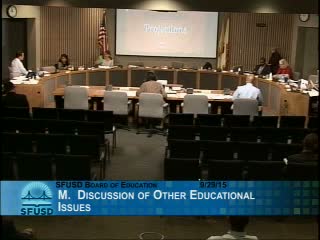
District demographers presented a multi-method enrollment forecast to the San Francisco Board of Education on Sept. 29, 2015, projecting continued growth in student population through existing household trends and major new-housing developments.
Executive Director Orla O’Keefe summarized the methodology: demographers used birth-to-kindergarten ratios, grade-to-grade progression, and student yields (students per housing unit) from anticipated housing projects to build low- and higher-yield scenarios. The report separates near-term effects from long-range development impacts and stresses that assumptions about yields produce wide ranges in projected student counts.
Key findings the district highlighted: by 2023, SFUSD enrollment could rise from about 57,000 students today to roughly 64,000–69,000 — an increase of 7,000–12,000 students — depending on yield assumptions. The Bayview is already the city’s single largest student-producing neighborhood and could account for about 30% of new students from new housing. Large planned developments analyzed include Treasure Island, Hunters Point Shipyard, Candlestick Point, Mission Bay and Park Merced; projected additional students from those developments range by site and scenario.
Board members and commissioners said the report reinforced the need for early planning. They raised questions about where new students would attend school, timing of build-outs, whether the district can be at the city’s planning table sooner and how to secure land and funding for new school facilities. Commissioners noted that school construction takes multiple years and tens of millions of dollars, so the timing and location of early development phases matter for capital planning.
District staff said a fuller written report would be delivered to the board and the public and that demographers will continue refining yield assumptions as planners supply more detailed housing and bedroom-mix data. Next steps include sharing the detailed report, studying student yields further, and using projections to inform student-assignment and facility planning.