Get Full Government Meeting Transcripts, Videos, & Alerts Forever!
Get email alerts on the Health Education topic
No spam. Unsubscribe anytime.
Teachers, students and community groups press SFUSD to expand health education and add CPR training
Summary
District staff presented an annual School Health Programs update and community speakers urged the board to expand middle‑school health classes, reinstate elementary health reporting, institutionalize comprehensive sexual‑health instruction and require hands‑only CPR training for high‑school students; board directed staff to bring a plan to curriculum committee and requested budget estimates.
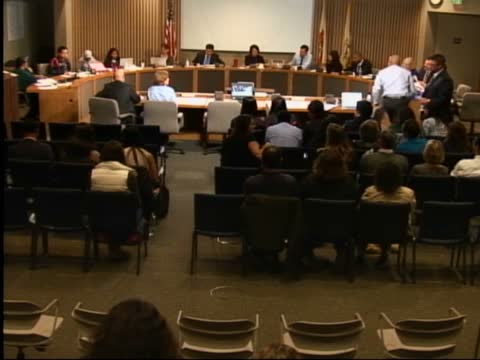
SFUSD staff delivered a wide‑ranging update on school health programs on Jan. 27 and drew robust public testimony calling for expanded health instruction across grade levels and required hands‑only CPR training for high‑school students.
Associate Superintendent Kevin Truett and School Health Programs staff explained current practice and gaps: high‑school health is a graduation requirement and many comprehensive high schools offer a health class, while middle‑school students are supposed to receive 30 health lessons per grade level but the district lacks dedicated middle‑school health teachers and implementation is inconsistent. Kim Coates and Christopher Pepper summarized gains at the high‑school level and persistent shortfalls at middle and elementary grades.
Presenters flagged a decline in students reporting HIV/AIDS instruction: a comparison cited in the presentation showed 74.2% of middle‑school students reported being taught about HIV/AIDS in 2003 versus 54% in 2014. School Health Programs staff urged investment in credentialed middle‑school health teachers, professional development for teachers who cover health topics, reinstating health on the elementary report card in 2016–17, and building district capacity for program monitoring.
More than 20 community speakers—including students, the American Heart Association, Planned Parenthood Northern California, the ACLU, Cardea Services, Health Initiatives for Youth and school staff—urged the board to institutionalize health education in middle and elementary schools, make curricula LGBT‑inclusive, and add hands‑only CPR training for all high‑school students. Brittany Shaquata of the American Heart Association emphasized disparities in emergency response times and urged CPR instruction as an equity and public‑health measure.
Board members responded by recommending next steps: several commissioners asked staff to bring a detailed plan to the curriculum committee that explores staffing (teacher‑of‑record versus supplemental programming), professional development, measuring implementation, and budget implications. Vice President Haney and Superintendent Carranza committed to drafting a plan and returning to curriculum committee, with Carranza calling new investment in health education "a matter of social justice." Commissioner Feuer asked that any plan come with budget estimates so the board can consider funding in the spring budget process.
Why it matters: The presentation and public testimony highlighted an implementation gap between board policy and classroom practice and raised equity and public‑health stakes—especially as students report declining exposure to HIV/STD education while chronic disease and mental‑health concerns remain pressing.
What’s next: Staff said they will develop a plan for the curriculum committee (anticipated discussion in March), estimate costs and present recommendations that could be considered in the district budget cycle.