Get Full Government Meeting Transcripts, Videos, & Alerts Forever!
Get email alerts on the After School Programs topic
No spam. Unsubscribe anytime.
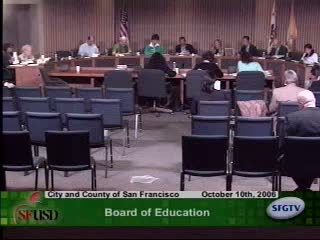
Board reviews after-school contract batch; staff explains CBO partnerships and allocations
Summary
The Board discussed a package of after-school funding items (K11–K32) that fund site coordinators and program staff via community-based partners; staff said one-third of program time is academic and allocations vary by student counts and local needs.
The Board discussed a grouped set of after-school and Excel program contract items (K11–K32) and asked staff for clarity on what the contracts buy, how funds are allocated, and how partners are selected.
Director Mele Ruen explained that these grant-funded after-school programs must partner with community-based organizations (CBOs) and that state grant rules require program components to include academics, enrichment and recreation (each representing roughly one-third of programming). She said site allocations typically fall between roughly $62,000 and $73,000 depending on student counts, with larger middle schools receiving higher total allocations. Some site budgets also include additional program staff payments from community partners, which explains larger dollar amounts at certain sites.
Public speaker Dennis Kelly (United Educators of San Francisco) and several commissioners asked whether contracts primarily fund coordination or direct program delivery, how curricula align with school-day priorities, who screens and hires staff, and whether grassroots groups are being prioritized over for-profit providers. Ruen said the district requires fingerprinting and TB tests for any staff at the school site, that district and CBOs work together on screening, and that a quarterly partners meeting helps align curriculum and district expectations.
The Board requested that future packet descriptions more clearly separate the portion of funds used for site coordination from funds used for program delivery, and asked staff to provide more outreach so Title I Supplemental Services slots are filled and parents are aware of available programming.